Author: Ama La Vida

Ama La Vida's March 2025 Tech Background on a computer

Hello, March! 🌸 With spring just around the corner, this month is all about renewal and realignment—not just in your career but in every corner of your life. Think of it as a fresh start to shed what no longer serves you and embrace what fuels your growth. Download our free tech backgrounds to dress up your phone and computer, and keep these mantras front and center all month long.

Read More
Mockup of February 2025 mobile organization tech background - pink

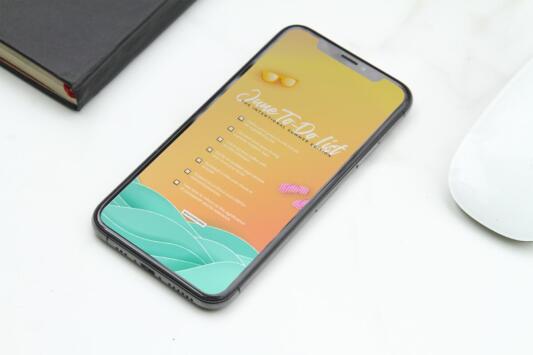
Ama La Vida means “Love Your Life”—and what better time to romanticize the life you’re building than right now? ♥️ Fall in love with the little things—your morning coffee, the sound of your favorite playlist, the quiet satisfaction of ticking something off your list. It’s not just about roses and chocolates; it’s about celebrating you—your wins, your dreams, and the moments that make life feel full. Need ideas? Our February To-Do List is here to inspire you. Which one will you start with? ✨

Read More
January 2025 tech background mantra version shown on computer

Happy New Year 🤍 2025 is our canvas! Let’s make it bold, purposeful, and ours. 🎨✨  Starting this new chapter with a fresh perspective can change your life permanently. These tech backgrounds are here to remind you: 2025 is YOURS to shape. Whether you’re focused on growing your career, embracing where you are, or building something new, this is the year to align your life with what truly matters. Pick a background and save it as your desktop background or lock screen. Let it ground you when life gets busy and remind you why you’re showing up every day. Which one is speaking to you?

Read More
December 2024 tech background to-do list with purple background mobile version mockup

As we prepare to close out the year, it’s the perfect time to wrap up unfinished business and get ready for what’s next. Here’s your December To-Do List—a holiday-inspired guide to setting yourself up for success in 2025.

Read More

Welcome to the Gratitude & Goals Edition, where we trade in our spooky costumes for cozy sweaters and warm mugs of ambition! 🍵 This month, it’s time to give thanks for every step taken, no matter how small. As the leaves fall, let’s sprinkle some gratitude over our goals and watch them grow! 🍂 Ready to cultivate a career that’s both fruitful and fulfilling? Let’s dive into this harvest of happiness and hustle, nurturing each goal with a thankful heart.

Read More
October orange tech background on a laptop

It’s spooky season! 🎃 Download our fang-tastic 🧛 tech backgrounds, designed to inspire you to prioritize yourself and make play an essential part of your daily routine throughout October. Don’t ghost 👻 your career goals—let’s have some fun while staying ahead of the game!

Read More

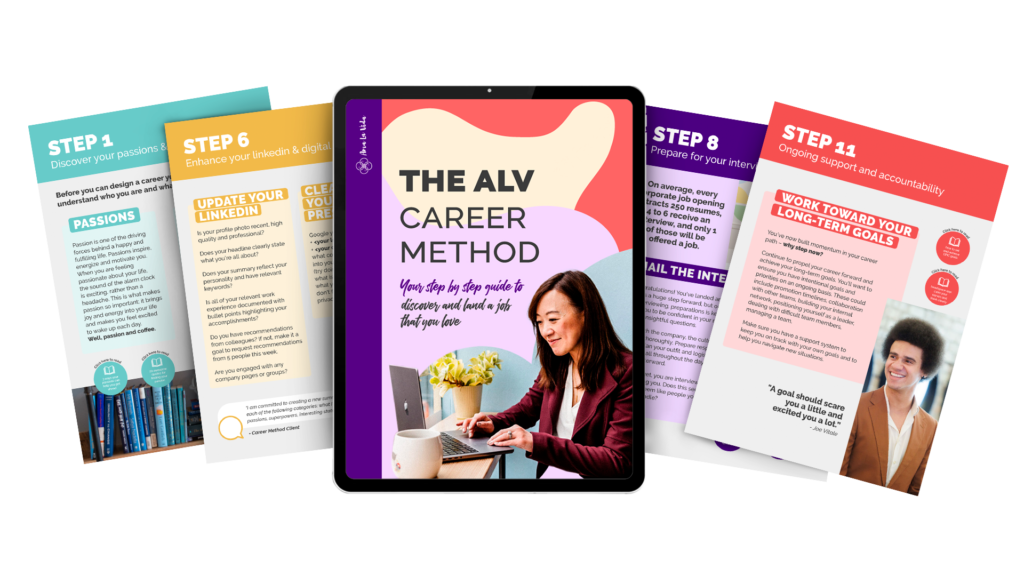
Download our comprehensive step-by-step guide to design and land a job you love!

Images from The ALV Career Method Guide
ALV Method Downloadable Guide

woman looking at computer writing down notes in her journal

Most of us entered the workforce thinking that just putting our heads down and doing the work would get us noticed and promoted. Fast forward a few years, we find ourselves in a work environment that is not inspiring, fulfilling, or (even worse) meeting our financial needs! The Big Lie about career success Even though times are changing, many companies are still not explicitly encouraging employees to be proactive in taking ownership of your career at work. The reality is, as an employee, it is no one’s job but your own to ensure your needs are met. The key to finding success in your career is letting go of the idea that someone is coming in to save you. Yes, there are employees who get lucky with wonderful bosses who support and advocate for them. But the reality is, if you’re waiting for the perfect manager, you’re putting your fate in someone else’s hands. Whether you’re seeking a leadership role, looking for more autonomy, hoping to work on a dream project, or maybe even just looking for a better work-life balance, taking ownership for your own success at work is crucial. By taking ownership of your own career progression, you can break out of this cycle and create real change. Why is taking ownership of your career path important? The reality is, if you’re leaving your fate in the hands of a manager, you’re at risk. You might not get the promotion you’ve been working toward for years. You might get laid off with no prospects on the horizon (as so many job seekers are experiencing these days!). You might just end up hating your job with no way out. So many employees think this is the only way to move through their careers, but the reality is you can take ownership of your work experience, and at the end of the day, you are the only one with responsibility for your own success. By taking ownership of your work, you can become accountable for achieving your career goals and also potentially instigate change within the culture of your organization. What ownership looks like at work Taking ownership at work goes beyond just managing your projects proactively and problem-solving effectively. Instead, when you have true ownership of your full career you have options and control over your work-life, rather than feeling stuck if your job goes south (or away!). To take ownership is to know: And then setting goals and systems to move you in the direction of those things. So, how do you take ownership of your career? It can seem overwhelming, but taking ownership of your career is absolutely possible. With the right strategies, you can take control of your professional life. Here are five steps you can take to assume responsibility for your work trajectory and build a job you love. 1. Craft your career vision The very first step to taking ownership of your career is to define what success would look like for you. View this post on Instagram A post shared by Ama La Vida | Online Career Coaches (@alvcoaching) Remember that work is a resource to serve your life, not the other way around. Having a clear perspective on what success means to you is the foundation for setting professional goals that align with your personal values and ambitions. Consider the bigger picture, think beyond just your job title or salary, and instead consider the impact you want to have on your industry, your community, or even the world. Set aside time to develop a sense of what matters most to you in life, how you want to contribute, and what you want to achieve. Then write it down. 2. Create alignment between your behavior and your vision Once you have a clear understanding of your personal vision for success, the next step is to bring your job into alignment with your goals. Here are a few ways to bring your job into alignment with where you’re going: Job crafting Even if your current job role doesn’t necessarily match your dream, it doesn’t mean you need to quit. Consider job crafting, where you and your manager redesign your job responsibilities to better align with your strengths and interests. It’s true—bringing your job into alignment with your vision for success will require good communication with your manager, and even your teammates or direct reports. While it’s important to be respectful of company goals and culture, you can also discuss how gaining additional experience in certain areas can benefit both you and the organization. This might include new projects, new job roles, and (hopefully!) more growth opportunities for you! Many companies are excited at the prospect of employees taking ownership at work because it often means that their employees feel empowered and will do great work, rather than just the bare minimum. Setting boundaries Too often we see employees who are burned out, miserable and deeply frustrated with their company culture—only to realize that they are part of the problem! This isn’t to take accountability away from a bad boss or toxic workplace, but setting boundaries can go a long way. View this post on Instagram A post shared by Ama La Vida | Online Career Coaches (@alvcoaching) Setting boundaries is about establishing clear guidelines for how you want to be treated, when and how you’re willing to work or what tasks you are willing to take on—and establishing how you will enforce them. If you’re establishing new boundaries, it’s important to communicate these to your manager to get buy-in and ask for support in maintaining them. By having open and honest communication with your manager, you can work together to find a solution that meets both your needs and the company’s goals. Honoring your own boundaries is essential to avoid burnout and ensure that you are making progress toward your bigger-picture goals. 3. Show up (authentically) as your personal brand As you bring your current job into alignment with the long-term vision for

Read More

September blue tech background

As the leaves begin to change and we embrace the crisp autumn air, our team is gearing up for the end of the year with renewed focus and energy. We’re calling it “Falling into Focus.” 🍂 Download our latest tech backgrounds and reminders, designed to inspire you to prioritize yourself and make play an essential part of your daily routine throughout September.

Read More
Calendar Desktop Version - Lucky Cat

Summer’s magic isn’t over yet! As August unfolds, let’s embrace the season’s vibrant energy and translate it into a powerful to-do list. Forget the mundane chores; this is about igniting your spirit, fueling your dreams, and savoring every last drop of sunshine. Download our latest tech backgrounds and reminders, designed to inspire you to prioritize yourself and make play an essential part of your daily routine throughout August.

Read More
July Calendar Mock Up Desktop

As July unfolds, we’re thrilled to welcome the height of summer with open arms! This is the perfect time to cultivate intention and joy in our lives. Let’s dedicate this month to meaningful activities and moments that bring happiness. Download our latest tech backgrounds and reminders, designed to inspire you to prioritize yourself and make play an essential part of your daily routine throughout July.

Read More
Smart phone on desk next to journal with June todo list mobile background

As June begins, we’re excited to embrace the warmer weather and sunnier days! Let’s make this summer as meaningful and intentional as possible. Get our latest tech backgrounds and reminders to inspire you to prioritize taking care of yourself and your community this month. Download our tech backgrounds to dress up your phone and computer to stay inspired all month long.

Read More

What are your professional goals? It’s a question that can make even the most seasoned professionals pause. Whether you’re just starting out or well into your career, setting professional goals is crucial. It’s about more than just climbing the corporate ladder. It’s worth taking the time to figure out your professional goals. This process is the first step to making a career plan which will be vital for your career success and personal happiness. Professional goals give direction to your career. They help you make informed decisions about job opportunities and skill development. But how do you set these goals? And once you’ve set them, how do you achieve them? In this comprehensive guide, we’ll dig into how to set career goals that are meaningful, and also how to write them so you’re set up for success. Whether you’re a recent graduate or a mid-career professional, this guide is for you. Understanding Professional Goals Professional goals are objectives you set to guide your career path. They’re milestones you aim to reach in your professional journey. These goals can be as broad as aspiring to a certain job title, or as specific as mastering a new skill within a set timeframe. Professional goals are unique to each individual. They’re shaped by your interests, values, and career aspirations. But regardless of what your goals are, they all serve a common purpose. They provide a roadmap for your career. Here are some examples of professional goals: When to Set New Career Goals Sometimes it can be hard to admit that your goals may have changed. It doesn’t make you a quitter, and it won’t get better if you just ride it out.⁣ Here are 6 signs it may be time to revisit your goals: View this post on Instagram A post shared by Ama La Vida | Online Career Coaches (@alvcoaching) Short-Term vs. Long-Term Career Goals Short-term and long-term career goals serve different purposes. But they’re both essential in your professional development. Long-term goals are your ultimate career aspirations. They’re what you aim to achieve in the long run, say in five, ten, or even twenty years. Short-term career goals are objectives you aim to achieve in the near future. This could be within the next few months or a couple of years. These goals are often stepping stones towards your long-term goals. As you’re considering your short-term career goals, it can be helpful to think about your long-term vision. Then consider what steps you can start now to help you along the path. Balancing short-term and long-term goals is key. It ensures you’re making progress while keeping your ultimate career objectives in sight. Still not sure what direction you want to take your career? Here is a great place to start when you don’t know what career you want. How to Identify Your Professional Goals Identifying your professional goals is a personal and introspective process. It requires self-reflection and a deep understanding of your career aspirations. Here are a few questions you can ask yourself to help you explore your career goals: Your answers to these questions can provide valuable insights. They can help you identify your unique professional goals. View this post on Instagram A post shared by Ama La Vida | Online Career Coaches (@alvcoaching) Once you have an idea of your personal career goals, the next step is to write them down to give you even more clarity and direction. Research shows that people who take the time to write down their goals are 1.2 to 1.4 times more likely to achieve them. Here’s how to start. Writing Your Professional Goals Statement Not sure how to write career goals? You’re not alone. A professional goals statement is a powerful tool. It articulates your career objectives and the steps you plan to take to achieve them. Writing a goals statement requires clarity and precision. You need to clearly define your goals and how you plan to achieve them. Your goals statement should be specific and measurable. It should outline the steps you plan to take and the timeline for achieving your goals. It should also be realistic and achievable. Set goals that challenge you, but are within your capabilities. At Ama La Vida, we take SMART goals even further. We call them EPIC goals. These are goals that are elevating, practical, impactful and clear. Before you take the time to create SMART job goals, check them against the EPIC framework. At the end of the day, it’s not just enough for your goals to be achievable, as the SMART framework lays out. They should also be impactful and inspiring to you personally. Tips for Writing a Compelling Goals Statement Writing a compelling goals statement can be challenging. Here are some tips to guide you: First, be specific. Clearly define your goals and the steps you plan to take to achieve them. Avoid vague statements and generalizations. Second, be concise. Your goals statement should be brief and to the point. Avoid unnecessary jargon and complex language. Finally, be authentic. Your goals statement should reflect your unique career path and personal values. It should resonate with who you are and what you aspire to be. Setting Your Career Goals with the SMART Framework The SMART framework is a popular tool for setting career goals. It stands for Specific, Measurable, Achievable, Relevant, and Time-bound. Specific goals are clear and well-defined. When you’re setting goals, make sure each one answers: What do I want to achieve? Why is it important? Who is involved? Where is it located? Measurable goals can be tracked and assessed. Answer, “How will I know when it is accomplished?” Achievable goals are realistic and within your capabilities. Ask yourself, “How can I accomplish this goal?” Relevant goals help you reach your bigger vision of success. Consider, ” How does this short-term career goal get me closer to my long-term goals?” Finally, time-bound goals have a deadline. Make sure you can answer, “When will I reach this goal?” Examples of

Read More