Category: Physical Health

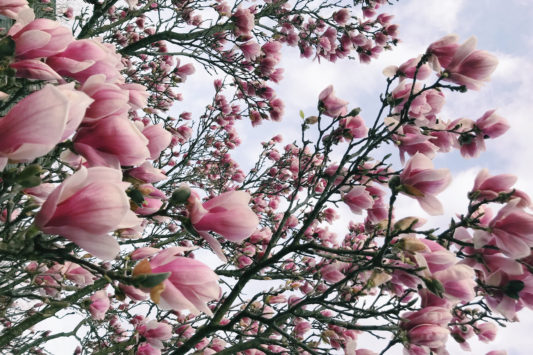
spring time with flowers

Did you let out a big sigh of relief last Wednesday? I know I can’t be the only one who is ready for a change in this ridiculous winter weather. Spring is officially here, and with this new season comes longer days, less hurried walks between the car and the office door, and a reminder that growth and change are underway. You know I couldn’t make it through a time of transition without a newsletter talking all about it, right? Here are my thoughts on what spring means to me, and suggestions on how to embrace all that this season has to offer no matter what stage of life you’re in. Release what is no longer serving you. Spring cleaning doesn’t just apply to your physical space – it applies to your personal life as well. Throw open the windows of your mind and let go of what you don’t need. Negative self-talk that holds you back from taking the next step in your love life? A half-finished resume that isn’t landing you any interviews? A cluttered workspace that distracts you from getting into the zone? Whatever doesn’t have a purpose or a place is worth considering whether it’s truly worth the space and effort. Plant seeds that will grow into flowers. When I think of spring, I imagine strong and steady development. As the season passes, the magic of what’s been brewing underground – complicated systems of roots, nutrients, soil, and water – begins to poke upwards toward the sun and reminds us that good things are worth waiting for. Consider this time as preparation for things your future self will thank you for. Want to be in a new role by summer? It’s time to tighten up your application materials. Dream of being healthy enough to chase your kids around the yard until they wear themselves out? Lace up your shoes and get moving. Practice patience as you form habits that will build upon themselves. Know that the work you are putting in today will pay off – and enjoy the process along the way. Connect and celebrate the ties that bond us. With winter officially on its way out, it’s easier to make and keep plans without weather getting in the way. Now is time to emerge from your cocoon and reconnect with the ones you love. Remember that function is more important than form, so if your house isn’t perfect or your meal isn’t Martha Stewart approved, it’s all good as long as you’re acting from a place of love. Some of my favorite ways to connect in the spring are potlucks with friends (what light and fresh recipes have you been eyeing?) and networking with folks in my industry (this includes mentorship, taking continuing education classes, and attending events to meet movers and shakers in my field). Shake off the dust and get out there. Cheers to winter for the coziness and slow moments it brought, and welcome spring in all its new and bright and sunny (!!) glory. –Coach Teague This week’s challenge For each of the three categories above – releasing the excess, focusing on personal growth, or strengthening connections – choose a meaningful and achievable goal that you can accomplish within the next week. Feel overwhelmed by the prospect of doing something outside your comfort zone? That’s okay – it’s where the magic happens. Starting now, you’re a person who gets things done even when they’re not easy. (Bonus points if you forward this email to a friend and work on your goals collaboratively. Teamwork makes the dream work!) We know you want to learn more. Here are some of our favorite additional resources: “Virtually every time I push my clients to go deeper with their gathering’s purpose, there is a moment when they seem to wonder if I am preparing them for World War III. Yet forcing yourself to think about your gathering as stand-taking helps you get clear on its unique purpose.” A 6 Step Guide to Spring Cleaning Your Social Media Feeds, because our closets aren’t the only cluttered spaces “My question is what, if anything, is wrong with being chilly? It seems like a good, efficient way to get along.” Spring Cleaning: Meditation to Tidy Up the Mind (initiate zen state now!) Declutter your life and make room for possibility (by ALV Coach Erin)

Read More

I sometimes think of my brain like a cul de sac. There are let’s say 10 houses around it, and each one is a component of my life which is currently demanding my attention. Refinancing my house has a spot. Taking the dog that won’t stop puking to the vet – that’s got one right now too. Planning that trip with my parents – haven’t done any maintenance to that one in a while, but I know it’s still there. Running ALV – that’s a big, gaudy mansion that you just can’t miss. There are only so many spots. I can only fit so many things in my brain before it feels like it’s going to explode. Something needs to clear out of a spot before I can let something else in. My husband doesn’t operate like this. He’s a dabbler. He likes to have a million little apartments sitting on his cul de sac. Each day 3 or 4 will grab his attention, but none are so demanding that they require all of his energy. Neither system is right nor wrong. It’s simply how different people function and prioritize. The problem with my cul de sac, however, is that there’s a toxic pollutant in town. Guilt. It’s a thick smoke that can permeate the walls no matter where I am. When I’m worried about spending too much time in one house over another, the guilt seeps in. Feeling bad about all of the things that don’t even currently have a spot on the street? Guilt again. I’d argue that when most people, women especially, become parents, the toxicity of the guilt becomes a crisis. Even for the dabblers. No matter where we are, we’re blinded by the smoke, feeling constantly that we’re doing something wrong. Or not doing enough. An important component of minimizing guilt’s impact is understanding your values and ensuring that the things you allow in your cul de sac, and the corresponding size of each, is a reflection of those values. But I think a bigger solution is just giving ourselves a gosh darn break. We are doing the best we can. We are running this thing with no manual. We are focusing on the things that are most important to us at that time. Why should we feel bad for that? Like mine, guilt may always have a presence in your neighborhood. But please, let’s stop letting ourselves be consumed by it. This week’s challenge Figure out the top 5 things you want in your cul de sac right now. Take a look at your list of values, and determine which 5 things are the most direct reflection of them. For everything else, practice saying no. And practice allowing yourself to say no without feeling guilty about it. We know you want to learn more. Here are some of our favorite additional resources: Read: 5 Tips for Dealing With Guilt Watch: 9 TED Talks to Liberate You Prioritize Your Time: Being Involved or Overcommitting and How To Tell The Difference Read: Daring Greatly, Brene Brown Did You Miss Our Latest Coaching Corner? In this video, Coach Danielle talks about how many employees don’t feel appreciated at work and a few ways to increase that number.

Read More

I finally learned how to prioritize my health and wellness after 20 years of struggles with weight, shame, and self-doubt. I am so grateful for all the ups and downs in my journey. They have truly helped me learn how to embrace life to the fullest. Through much trial and error, I learned the right strategies to elevate my health. While there are so many ways we can improve our health and wellness, the following three are the tips I find to be the most impactful for me. Enjoy! Create a Morning Routine The first of our health and wellness tips is creating a morning routine. Most of us begin each day dreading the buzz of our alarm clock. We hit snooze as many times as possible before we begrudgingly start our day. Instead of rushing around doing the basics, try adding some extra time (all you need is 5 minutes) to create your own morning routine. This routine is all about you and doing things you enjoy. Some ideas include reading a good book, listening to a podcast, journaling, or exercise. When you have something to look forward to in the morning, it makes getting up actually enjoyable! (And bonus – you will feel more productive and energized too!) I recommend reading Hal Elrod’s The Miracle Morning: The Not-So-Obvious Secret Guaranteed to Transform Your Life (Before 8 am) if you want to learn more about developing your own Miracle Morning. Prioritize Sleep The second of our health and wellness tips is prioritizing your sleep. According to the National Sleep Foundation (NSF), sleep is essential for a person’s health and wellbeing. And I couldn’t agree more. The latest Sleep in America 2018 Poll highlights this disconnect between the value of sleep and our reality of not making it happen. While most Americans know sleep contributes to the next day’s effectiveness, only 10% of people are prioritizing it. While our individual sleep needs vary, figuring out the average amount of sleep that is best for you (and scheduling that time in) is key. For example, I plan my schedule (as part of my morning routine) to include eight hours of “in-bed time”. If I fall behind my schedule, then I shift the next day as much as possible to maximize sleep. While some of my “in-bed time” is used towards winding down (like reading or listening to an audiobook), I often fall asleep fairly quickly and can count on getting at least 7 ½ hours in. I also recommend turning off your screens at least one hour before bed and creating a simple evening journaling routine. I also take a few minutes to write down what I am grateful for and jot down any to-do items for the next day. This helps clear my mind and de-stress before bedtime. Meditation The third of our health and wellness tips is meditation. Meditation is becoming increasingly popular as more people realize its benefits. A meditative practice is a process of habitually training your mind to focus and redirect your thoughts. There are many ways you can go about meditating, and it can be as simple as taking a few depth breaths to focus on the moment. According to findings from Johns Hopkins University, meditation can help ease psychological stresses like anxiety, depression, and pain. Personally, I enjoy meditating using my headspace app each morning. I also focus on taking a few deep breaths throughout the day anytime I start feeling stressed. This pause helps me get grounded and allows me to disconnect from any thoughts that aren’t serving me. Health is a “state of complete physical, mental and social wellbeing” as defined by the World Health Organization. This definition highlights an important shift we are taking towards a proactive approach to health and wellness. By proactively focusing on your health, you benefit by also improving your overall well-being and quality of life! Who doesn’t like the sound of that? Knowing where to begin can be tough. That is why partnering with a coach is such a powerful tool to help you achieve your goals. With Ama La Vida’s health and wellness coaching, you are guided towards true transformation through self-reflection to gain clarity and focus. This is exactly what your best version of you needs to combat self-sabotage, create healthy habits, and harness your personal power! If you are ready to elevate your health and realize your potential, schedule your free coaching consult with me today! I look forward to connecting with you!

Read More

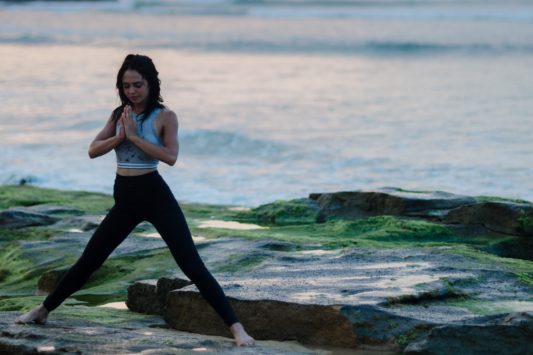
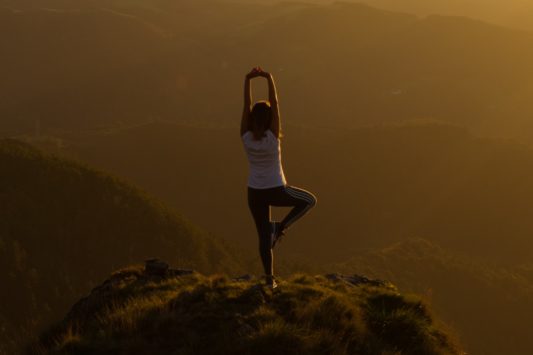
The practice of yoga is dynamic. Yoga offers strength and lessons that can be adapted to many areas in our lives.  Yoga has become integrated into our culture as more than a physical practice. It also offers mental health benefits in connecting the mind and body.   For those of you that are new to the practice or idea of yoga, you can start at any time and find a style that works for you! I personally practice two specific types of yoga. One more so for the mental and physical elements that it provides, and the other for meditative and spiritual experiences. When engaged with yoga, I find myself becoming stronger as I flow with intention. But on the same account, I am gentle toward my limitations. I soften my expectations and express gratitude toward myself through the difficult poses, knowing that I can come to my mat to let my life unfold (literally!). Yoga and Your Career As I share with you the benefits of yoga, I will also guide you through some of my personal takeaways and how I incorporate yoga into career planning as a Career Specialist. I want to guide you through my own practice and essence of a yoga practice. All of which can help you find calmness and resolution with your career goals. Here are some of the most powerful lessons I’ve taken from yoga (and you can too!): 1. Be intentional. Yoga begins and ends with intentions. What is your intention, today? That is a question I often ask myself, as I am often asked to set an intention every time I enter a yoga class. As I write this, my intention is to share my loving, sometimes gentle, and sometimes a bit intense (I’ve been known to take 2 classes a day!) practice of yoga with you. It’s the why behind the practice, and how these practices can be integrated with your career. Such as decision-making and transitioning, the job search and everything in between. My practice offers balance among the physical, emotional and mental areas of my life. The depth of where yoga can transform thinking and physical limits in a certain amount of time is what continues to bring me back to the practice, to the present moment and to a space of gratitude. Being intentional is incredibly important in our lives and careers. Time can pass by so quickly when we just sit back and let life happen to us without taking an active and intentional role in shaping our career paths. When I work with clients who are lost in their path or struggling to land a job, the first thing I often do is take a pause to help them think through what they want their career to be about, to feel like and the impact they want to make. This makes the path forward much clearer. If you’ve been caught up in the hustle and bustle, take a minute today to reflect and consider, “What impact do I want to make in my career?” and then start acting with intention. 2. Find your calm. Allow yourself time away from your mental processing. Statistics show that on average we move through 48 thoughts per minute. Yoga fosters mindfulness, awareness to our thoughts with a focus on allowing those thoughts to pass and enter a state of mental calmness. Where in your life is there added stress? Not surprisingly, most people have stress around their careers. Whether that is related to the role itself, often due to lack of flexibility or work and life imbalance. In order to help de-stress, where in your day can you find your sense of calm? Now that we have some intention in our careers, what’s one word that brings you back to that clarity? When you are feeling stressed at work or overwhelmed by career decisions, you can find your calm by focusing on that word. 3. Engage with your breath, Pranayama. I like to practice deep breathing. Why? It is intentional and integrates mindfulness. This is a process of deep inhalation followed by deep exhalation, sometimes pausing in between, eyes closed, allowing to feel the breath move to the belly, then to the lungs, within and out. This has been the most powerful tool I have come to find. What is powerful about the breath is that it can be practiced strengthening the mind! The breath opens spaces in our capacity to stretch a bit longer and allow our mind to stay focused on the current pose. What a great practice to integrate literally and figuratively. Challenge yourself to take a pause throughout the day. Taking just 5 deep breaths throughout the day will help you keep focus and will re-energize you for your work. 4. Don’t be afraid of the challenge poses. What is unique about yoga is that you have what can be a demanding physical practice. Especially if it is taught in a heated room. Most often you find yourself trying to keep pace with fellow yogis that surround you. I truly enjoy when I find myself in sync with the others next to me and can keep the “flow” and breath moving together. Holding each other accountable to follow and finish the flow as one. What counters this is that yoga is very individualized. Your body may need to lay flat on the mat while the class continues to move through poses. Challenge yourself but also know your limitations. Challenge yourself to try something new in your career. Think big and outside of the box to deliver a wild idea or create time to work on a project in your current role that would allow you to flex more creativity or ownership. I challenge you to set aside any doubts and push yourself outside of your current comfort zone. 5. Radical Acceptance. When I fall in yoga, I often laugh it off and try again. That makes it easier to transition into the next pose,

Read More
Someone in a hammock forest bathing

2017 should have been an amazing year. After a variety of exciting professional experiences, I set a goal to go back to school. I was achieving that goal, graduating from college and on the honor roll. But it turned out to be a terrible year. I was assaulted a few weeks before my final semester. On the surface, it didn’t seem like a big deal (to me). I had been hurt before, and my motto was, “Just buck up babe.” Because that had been my experience. I started taking care of myself at 6 years old. I have a strong will. I am a fearless woman, but I have never been able to obtain for myself what I have provided for others; nurturing love and protection. Things got dark. The level of stress resulting from the attack took its toll. And it wasn’t even that particular experience, but that event surfaced for me other abuses I had previously had to endure that I avoided acknowledging for many years. I turned into girl who couldn’t leave her apartment. I didn’t feel safe. I wouldn’t sleep for days. I was plagued with headaches, vomiting, infections, cold sores, while psoriasis took over my scalp, back, and arms. I even went a few days without food multiple times. I didn’t tell anyone for a while. My therapist, my boyfriend, and two others were it. I was determined to keep being “perfect.”  I didn’t want the label of a victim and the inevitable badge of shame that comes with it. I wanted to be normal and to be treated normally. I didn’t want the unbearable awkward moments of sharing and watching someone stumble for words. There are few people in this world who can truly empathize with what I have experienced. So most of the time I avoided sharing. How I started healing My therapist, Tami, suggested that I go on a camping trip in West Texas surrounded by bison and canyons. And she wanted me to talk to a tree. I asked her if she was on drugs. She laughed, said no and preceded to tell me about all the benefits and blah blah blah. Resolved, I said I would do the trip, but I wasn’t going to do tree talking. I felt this was a ridiculous request at the time and completely stupid. Fueling my refusal to talk to a tree was the fear of allowing myself to experience imagination. Something I felt I lost a long time ago. Finding my tree There was a hike Tami made me lead from our campsite. I found a spot in an empty river bed to take a break. She read a poem to me while we soaked up warmth from the sunbaked rocks. After that, she sent me off alone. She said go find your tree. As I was packing up my gear, I told her no. Tami responded, “You’ll find one.” I walked off and a few 100 feet away I yelled, “I’m not talking to any fucking trees!” I looked back with a half-smile and she watched me walk off. I walked along the riverbed looking at trees wondering how one talks to a tree. Like how would I know which of these is my tree? And finally, it happened. I was looking up the side of a steep cactus covered incline when I saw her, my tree. I remember saying, “Oh, you’re pretty.” It was nearly impossible to get to her, but I eventually did and sat down next to my tree.   It was awkward. I looked over the horizon as I was sulking with the assignment. I told the tree, “Tami said I had to talk to you, and I think this is stupid.” My tree and I chatted for a while, and the moments that followed were transformational. I had unlocked the sway of Forest Bathing. What is Forest Bathing? Well, it’s not a spa treatment and it also doesn’t require water or suds. The practice originated in Japan in the 1980s. There it is called shinrin-yoku and translates to you guessed it…Forest Bathing! Forest bathing is simply being in nature. This practice evolved as a Japanese work culture led to an abundance of stress and health issues from being overworked and constantly indoors. What I love about this practice is the simplicity of it, walking amongst nature allowing my body and mind to wander. The only thing this practice requires is time and maybe a small commute to a public garden or park (at minimum). The only intention you set is to be in nature; the rest of it is letting yourself follow your senses. Your practice of Forest Bathing should be a reflection of you. How I reap the benefits of Forest Bathing may not be the way you do. I particularly have an affinity for our beautiful hill country here in Texas, where you may prefer a lush manicured garden or forest. In my practice, I roam with the intention of seeing the moment as a child would. Curiosity takes over, I’ll follow a butterfly, talk to a turtle, birds, trees. There is a rhythm, and you will develop yours. If my way doesn’t resonate with you there are other ways you can enjoy your practice in nature:     Write in a journal     Do something artistic like sketch the scene in front of you     Practice meditation or yoga     Do some breathing exercises     Even take a nice nap How forest bathing helped me At first, I didn’t know if it was working. I rambled aimlessly, but what stood out was my realization that I’m always rushing to get somewhere, rushing to please someone, rushing to be happy, rushing to accomplish something. In talking to my tree, I finally slowed down. I started reflecting on the dynamic I needed in relationships, and I realized that I needed to become my own person. I needed to stop being the chameleon that transformed into what my partner, agents, or employers

Read More

This month, the ALV team is centering on “healthy body, healthy mind” which presents a perfect opportunity to provide further insight to the somewhat broad concept of “wellness”.  My philosophy is that people who live most healthful are also the happiest.  With this premise in mind, I both inspire and guide people towards conscientious, healthful living behavior and decision making. Below are the primary dimensions of wellness. Your mindset falls within these dimensions, particularly the intellectual and emotional petals. It is important to understand that these dimensions will intertwine.  Identifying ways to utilize that overlap between the mind and other physiological functionality to support overall wellness is a trending area in lifestyle health and healthcare approaches.  For example, appropriate nutrition, limiting or avoiding environmental aspects that may be adverse in nature, and paying attention to your social environment are all means of supporting the system which powers your mood and well-being. But a key component to favorable lifestyle health is human behavior.  Changing behaviors which are non- or less supportive of health and wellbeing can be incredibly challenging.  Motivational triggers and barriers, social support, and even the environment in which a person lives can impact our ability to make lasting behavioral changes. According to Dr. Cynthia Sholes, PhD of the Mind Wave Institute, behaviors, habits, and mental function are largely the result of automated, unconscious activity within the nervous system. In other words, behaviors can be so hard to change because we largely conduct them without even being conscious of it! However, similar to strength training muscles, concerted effort can be exercised to best activate the processes that are not on auto-pilot and, therefore, instigate stronger will power and analytical thinking.  This is otherwise known as training the mind. Mind training helps you increase awareness and serves as a gateway to the parts of the mind that are automated in nature, putting you on the right path to be able to influence your behaviors.   A great exercise for starting to bring greater awareness to our mental function and behavior, as you may have heard from one of your ALV coaches, is to examine the impact of the stories we tell ourselves.  It is important to ask ourselves what behaviors these stories are reinforcing in us by asking the following questions: Are they clarifying our level of understanding for something or making our mindset cloudy? Do the stories encourage us to move forward, accept circumstances we can’t control, but motivate us to make effective change for those we can? On a personal level, practicing mind training exercises that bring about focus on awareness has played a critical role in keeping me focused on supportive lifestyle decisions and protocols related to my health as I worked to overcome challenges presented by autoimmune conditions. In doing so, I had to take a concerted look at the story I was telling myself.  Practicing a conscience approach to knowledge and acceptance of my circumstances led me to stay positive, motivated, and structured while I made the behavioral changes I needed to make in response to my health conditions. I also needed to make changes to my dietary plan given that nutrition triggers a range of physiological activity associated to mental performance, muscle function, energy levels, and sleep quality.  Furthermore, quality of dietary intake can impact memory, thinking and learning, clarity, and coordination which tie into productivity, creativity, resilience, and social connections. It didn’t stop there. I altered my personal care and household products, sleep schedule, and even how I engaged in my social environment. All of these elements were contributing factors to help me not only be healthy but happier and more productive in my work. Below are four take-aways to increase your level of awareness and engagement in supportive, healthful living practices: Train the mind like a muscle. Behavior science has taught us that repetition and duration (like an exercise plan) are important.  Scientists call this “dose”.  Visionary tactics such as retelling one’s story can further support this activity. Practice living well. Knowledge for dimensions of wellness can support your journey and guide decision making. It doesn’t take a science lesson every day, but acceptance that lifestyle health is definitely a sum of inter-connected parts.  An action taken in one dimension will have respective effects across other dimensions.  This is part of what we mean when we use terms such as “whole health” or “holistic” with regards to health and healthcare approaches. Pay special attention to the nutrition. This may be a health coach’s bias; however, it is one that is thoroughly backed by science. Appropriate intake across phytonutrients, such as antioxidants and enzymes, and amino acids from food are foundational to physiological mechanisms within our biochemistry.  Appropriately trained professionals can help you come up with dietary intake strategies best suited to your lifestyle and individual circumstances. Consider a structured program. According to Dr. Sholes, people like to stick to a program and a 30-day plan is ideal to form a stable habit. This also aligns well to many scientific studies centered on human behavior change and health outcomes. Want more from Ama La Vida? Sign up for our newsletter 🙂

Read More

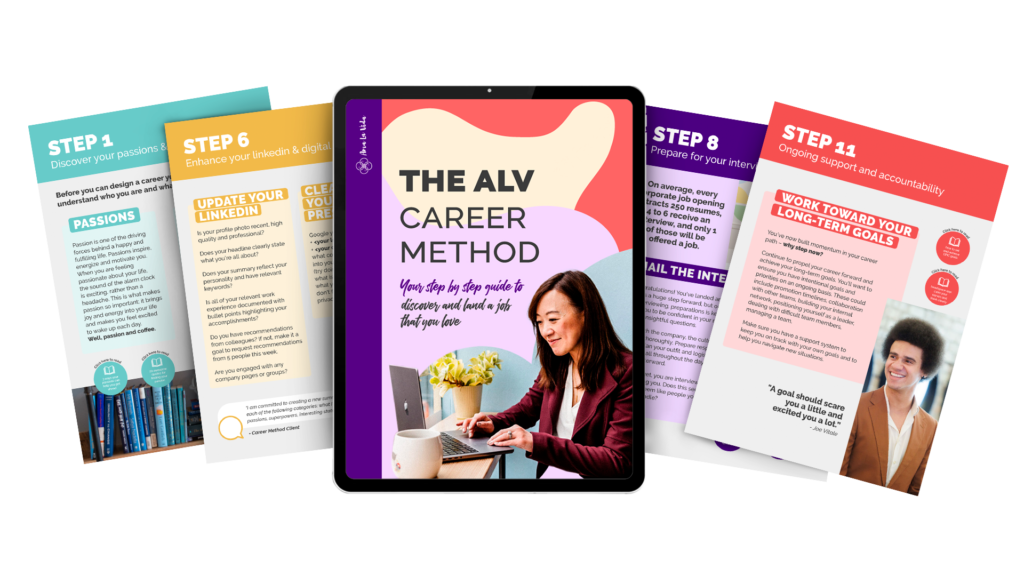
Download our comprehensive step-by-step guide to design and land a job you love!

Images from The ALV Career Method Guide
ALV Method Downloadable Guide

This month our ALV theme is Kindness. It’s a theme that really excites me because it’s one that I’m very passionate about. Personally, I have a lot of room to grow when it comes to kindness… but when I have demonstrated kindness in my life, I have found that the impact has been just as beneficial – if not more – for me as the giver as it was for the receiver. Kindness is in our nature, but sometimes in the busyness and craziness of everyday life, it is forced to take a back seat as we struggle to find time to eat lunch let alone check-in on a friend or buy flowers for our spouse on the way home.  Beyond just being an admirable character strength, kindness is incredibly good for our well-being, and if we can go out of our way to find an organic cafe or make time to go to the gym, then I’m sure we can find time to be kind. And let’s be honest… it really doesn’t take much!  Compliment a stranger, smile at the bus driver, carry an elderly lady’s groceries across the road. Kindness comes in all shapes and sizes, and sometimes the biggest impact can come from the smallest gestures. How do you demonstrate kindness in your everyday life? Truly think about it.  Just like brushing our teeth or driving a car, kindness becomes a habit that we can nurture and develop.  And as you do, you might start to notice these five things happen: You feel happier Kindness stimulates the production of serotonin in our brains (the same chemical targeted by anti-depressants) and helps us calm down and feel happy. The best part is that this is true for the giver, the receiver and everyone who witnesses it. Beyond serotonin, kindness also releases endorphins which is the same chemical released when we eat a delicious block of chocolate. So next time you’re reaching for a snickers, do something kind instead 😉 You feel healthier Kindness also releases the hormone oxytocin (also know as the “cuddle hormone” which plays a significant role in the cardiovascular system). Oxytocin causes the release of nitric oxide in blood vessels which makes them dilate which reduces blood pressure. Oxytocin also makes you feel calm, generous, trusting and strengthens the immune system! You becomes more attractive A new study by Yan Zhang and colleagues assigned participants to three groups and had them rate 60 photographs of unfamiliar female faces, all with neutral expressions. There was no significant difference in rating among the three groups. After two weeks, the participants rated the same pictures again, but this time one group of participants were given positive personality descriptors of the people in the photographs, another group was given negative descriptors, and the third was given no information at all. The group that had been given the positive personality descriptors rated the photographs as more attractive and those that had been given negative personality descriptors gave the lowest ratings to the photographs highlighting that kindness really does make us more attractive. You age slower Aging is caused by many things, but two main culprits are free radicals and inflammation. Well, you know that oxytocin hormone we were just talking about? Well it also reduces inflammation and levels of free radicals, thus slowing down two of the key drivers of aging. You begin to see kindness all around you Kindness is not only healthy, it’s contagious! More contagious than the flu! As mentioned earlier, kindness stimulates the production of serotonin in our brains and helps us calm down and feel happy. The best part is that this is true for the giver, the receiver and everyone who witnesses it. Just think about it… how do you feel when you see someone pick up a bill a stranger dropped, or help an elderly person onto the bus. It warms your heart right? Makes you want to go out there and be kind too! Or when someone does something kind for you? Makes you want to reciprocate, true? The more we demonstrate kindness, the more others show kindness too…. and while we can’t guarantee the whole world will get kinder overnight, we feel pretty confident that at least your world certainly will! So then… what are you waiting for? And if you’re not sure how to be kind, here are 102 awesome ideas to spread kindness. One of my personal favorites is this awesome movement by moreloveletters where you can write and send love letters to strangers who are lonely or going through difficulty. Check out their site and send a love letter today. And if you’re looking for more awesome tips, tools and kindness challenges, join our family by becoming an ALV member. They say that a single ripple of kindness can go on to create a large wave… let’s go and make some ripples! Katie Want more from Ama La Vida? Sign up for our newsletter 🙂 And before you go, if you can spare three minutes, this short video will certainly warm up your heart.

Read More

As we just celebrated the 100th anniversary of the National Park Service, I feel it necessary to share some insight on my favorite national park, Yosemite. Yes, you can just drive into the valley, marvel at the granite towering above you in all directions, and have your fill. Or, you can go a little deeper, embrace your inner John Muir, and spend your days hiking through Yosemite. Here’s a list of the best day hikes in Yosemite National Park to spark your wanderlust. Half Dome It’s no surprise Half Dome wins the popularity contest for best day hike in Yosemite. The infamous 14-16 mile hike delivers incredible views, exciting adventure, and hard-earned bragging rights. It’s long, difficult, and worth the exhaustion. Come prepared with plenty of water and snacks to keep you nourished. Don’t be intimidated, just prepare accordingly. For those of you with bad knees, The Muir Trail (1.5 mi longer) is a less steep alternative (especially on the way down). Also, check out these knee braces for those with bad knees. Permits are required so plan ahead. Cathedral Lakes The hike to Cathedral Lakes is a wonderful way to experience a stretch of the famed John Muir trail. This 7-8 mile hike through Yosemite’s stunning high country is only moderately difficult despite its high altitude. Bring lunch, take your time, and enjoy the serenity of the pristine High Sierra lakes. Don’t fret if you come unprepared, Tuolomne Meadows Grill/Store has you covered for food (and beer). Just remember, pack it in, pack it out. Clouds Rest Clouds Rest has all the glory of Half Dome without the crowds. I mean, you came to Yosemite to explore postcard worthy views, and be in the presence of arresting beauty, not compete with your fellow hiker for a photograph. So, if you want the physical challenge, the mind-blowing views, and the exhilaration of hiking along a narrow ridge, conquer the 14.5 mile roundtrip hike to Clouds Rest. Bring binoculars and you can watch people ascending Half Dome’s cables. Hetch Hetchy Located in the northwestern part of Yosemite National Park lies the often overlooked beauty of Hetch Hetchy Valley. If you need convincing, the grandeur of Hetch Hetchy is said to have rivaled Yosemite Valley before the construction of the dam. Currently, it remains an oasis for recreational activities, a pristine water source for San Francisco, an engineering masterpiece, and the epicenter of an ongoing environmental battle. The 5.5 mile hike to Wapama Falls (ideally in Spring) is rather scenic, less crowded, and substantially easier than all the others, making it one of the best day hikes in Yosemite. Mt. Hoffmann/May Lake Mt. Hoffmann stands at an elevation of 10,845 ft, offering 360 degree views of Yosemite National Park, including Half Dome and Clouds Restbelow. Considering no permit is required, the hike is 6 miles round trip, and the view is nothing short of breathtaking, I believe it is a must for anyone visiting Yosemite capable of breathing high altitude air. For those of you with a little extra time, consider camping. May Lake is an incredibly idyllic place to wake up or stargaze. “Climb the mountains and get their good tidings. Nature’s peace will flow into you as sunshine flows into trees. The winds will blow their own freshness into you, and the storms their energy, while cares will drop off like autumn leaves.” John Muir, Our National Parks

Read More