April is here and we are ready for spring! Download our tech backgrounds to dress up your phone and computer and stay inspired all month long.
Read More
April is here and we are ready for spring! Download our tech backgrounds to dress up your phone and computer and stay inspired all month long.
Read More
“Once we accept our limits, we go beyond them.” – Albert Einstein My father is a serious person. He thinks he’s fun, but he’s really not. Don’t get me wrong, I love him very much. We have a great relationship. I love spending time with him. But no one who knows him would ever characterize him as “wild” or “goofy.” He was once shocked at my suggestion that we take a trip to Barcelona just because he’d never been there. He’s stable, responsible, reliable, and… a little boring. Honestly, these are some of the traits I love most about him. He once told me that people worry about becoming the opposite of what they naturally are. They worry that if they’re not leaning into their natural tendencies, then they’ll become the opposite. For example, he might worry about becoming a flake—someone unreliable that people can’t count on. Similarly, I’ve seen people who are free-spirited, creative types that fear losing their creativity if they embrace habits that they perceive as “boring” or “stable.” The reality is, however, that the chance of someone drastically moving from one end of the spectrum to the other is pretty slim. Even when I dragged my father to Barcelona, he still remembered to leave timers on all the lights before he left so his house looked occupied and to notify the bank that he was traveling abroad so they wouldn’t freeze his credit card. And we still had a great time. So this week, I invite you to think about what your natural tendencies are. What is your comfort zone? Then think about a way to challenge those tendencies. How can you push yourself, even just a little? How can you push yourself to say yes where you’d normally say no? It can be scary to move outside your comfort zone in saying yes when you usually say no. But once you’re there, you’ll likely realize you’re still you—just with some new experiences! ~ Libby
Read More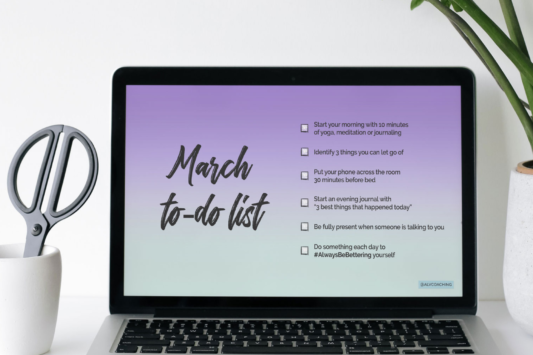
This March we’re embarking on a mindfulness challenge! Check out the full list here and download these tech backgrounds to stay inspired.
Read More
We are proud to be a Chicago-based company. We believe in our city and we love to support and partner with local businesses as they embark on their journeys of growth. Which is why we’re thrilled to see one of our partners, project44 raising capital to continue expanding their reach! They have been recognized as 1 of the top 11 funding recipients in Chicago in 2021 by BuiltIn Chicago. Both of these firms have shown an incredible commitment to their growth, not only in the technology they develop and the problems they solve, but also their commitment to their teams and company culture. In their own words, “Growth at project44 is a constant,” said Ivana Savic-Grubisich, Director, Diversity, Equity, Inclusion & Culture at project44. “1:1 coaching is a transformational experience requiring self-reflection and self-awareness, traits we seek to bring into our daily work. I’m thrilled that our first cohort will have this individual and group journey filled with lightbulb moments, challenges and accomplishments. This program is bringing together project44 talent from around the world to inspire innovation for our global supply chains, from a diverse perspective, at a time when it is needed most. We believe in our women and the impact they will have on the future successes at project44.” Congratulations to Project44 on your funding! We can’t wait to see where you go!
Read More
Coaching has certainly grown in popularity over the last few years. It seems that every other person you meet is a coach! However, the actual value a coach can provide is often fuzzy or unclear. Particularly when it comes to career coaching, what a coach can and cannot do for you can be even more unclear! Today, we’re talking about 3 ways that a career coach can help you. Here are a few of the most common reasons to work with a coach. A career coach can help you figure out your next step When you’re growing up the next step is so simple. Every year you move on to the next grade. For many of us, after that we moved on to college or a technical school, then the direction was “get a job.” Now that you’re an adult, it’s less clear! Especially if the job or career you chose isn’t making you happy anymore, knowing what to do next can feel very overwhelming. Suddenly you’re faced with so many questions, like: These questions can be very overwhelming! It’s normal to be cautious about your next career move, especially if you’re moving away from something that feels safe, even if it’s making you unhappy. Coaches are specially trained to help you figure out what exactly you want for your next step and can help you put together a plan to get there. Your friends, family, and even mentors may have their own opinions of what you should be doing. A coach’s only job is to support you in finding your own decision. Here at Ama La Vida, we use a process called Illuminate Your Purpose to strategically help you tackle this exact question. The program is a combination of eCoaching modules and 1:1 conversations with your coach. You’ll explore your passions, values and gifts to define your purpose. We’ll then help you overlay your non-negotiables with that insight to identify what options you have, and then guide you in evaluating them yourself. It’s never our agenda. It’s your own discovery process. A career coach can help you catch simple mistakes One of our coaches tells the story of someone in his network who was referred to him. The man had been searching for a job for months without any response. His experience and resume were spot on for the roles he wanted. No one could figure out why he wasn’t snapped up for a new role! The coach asked the man to send him his resume so he could see for himself. The man sent him his resume over email, only to reveal an old email address he’d been using that was explicit and suggestive! (I’ll spare you the details) He hadn’t even realized it. Oops! Easy enough to fix, though! Sometimes small mistakes like improperly formatting your resume or forgetting to send a thank you note can be sabotaging all your hard work. A career coach will help you catch these mistakes to make sure you’re putting your best foot forward. A career coach can help you plan ahead Here’s possibly the biggest benefit to working with a coach. Time and time again we see clients come to us who are absolutely miserable in their jobs, or, even worse, recently laid off. They’re overwhelmed, stressed out, and not sure how to move forward. Of course we’re here to help, but the reality is, you’re so much better off being proactive in your career planning, rather than waiting and being reactive in an unpleasant situation. In other words, we want you to run toward a career you love, not away from a bad work situation. Creating a 5-year plan or 10-year plan can feel overwhelming. It may not even be necessary. However, developing a vision of what direction you want to take your career is invaluable. A coach will help you craft your goals so they’re crystal clear, as well as measurable so you can stay on track. As they say, the best defense is a great offense. Let’s help you take back control of your career! A career coach will not… Finally, I’d be remiss if I didn’t let you know what a coach won’t do for you. A coach can’t: Ready to get started? Our relationship strategists would love to chat with you! We’ll learn more about your personal situation and then match you with the right coach to meet your needs.
Read More
Have you seen the TV show Ted Lasso? I’m obsessed. It’s so charming. In short, the premise is that a divorcée, Rebecca Welton (Hannah Waddingham), takes over managing her ex-husbands soccer team. Rebecca decides to run it into the ground to get revenge on him for leaving her. To do this, Rebecca hires Ted Lasso (Jason Sudeikis), an American football coach, who knows nothing about soccer to coach the team. Of course, as it has to go for the sake of TV, [spoiler alert] Ted’s knowledge and understanding of team dynamics leads him to perform much better than anyone would have expected him to and the team begins to see success. Why am I talking about this? Time and time again, I see clients come to us very worried that we don’t know their particular industry or their particular career path. They want to make sure they’re going to get the help they need, and they are certain these details matter immensely. Wanting to make sure your coach can help you makes total sense! However, I must tell you, even for non-traditional careers, the industry is not the key factor you need to match on. Much like Ted Lasso, we see that the basic tenets of coaching apply over and over again, regardless of industry or specific career path. What should I focus on for non-traditional careers? Great question. While it is still important to find the right coach to help you navigate your career path, a great career coach will help you ensure you’re on the right path for yourself regardless of your journey – either traditional or non-traditional careers. A great career coach has universal tools and strategies that will optimize your time, help avoid missteps, big or small, and guide you to your goal – however you’re going to get there. Here are some things to consider as you’re making the decision on the right coach for you. Cover the Basics First, make sure a coach is what you actually need! Here are some great tips for finding a life coach that apply here as well. You need to make sure that a coach is really what you need based on your goals, that they’re appropriately trained, that you’re both a good fit, that they have a system and processes you trust, etc. There’s a lot to consider! Determine what your goals are This is not a trivial question! Do you want a very tactical coach to help you with the practicalities of building a resume and networking? Do you want a strategic coach who can help you create a long-term vision and goals? Different coaches have different strengths and can support you in different ways. By knowing what you want to get out of a coaching relationship, you can better determine the right fit for you. Ask the right questions to get the answers you are looking for. Check your expectations Just like professional athletes have coaches, you deserve to have the best support in your corner as well. However, just like an athletic coach can’t run laps for their team, your career coach can’t find you a new job or land you the promotion. It’s a common misconception that a career coach is going to get you your next job. Career coaches are not recruiters or placement agencies. We are here to help you navigate the job search process so that you can keep momentum, and avoid wasting time on steps that aren’t taking you closer to your goal. Figure out your style In my humble opinion, coaching style is probably the most important fit of all. The reality is, no matter how competent or knowledgeable your coach may be, if you don’t feel comfortable talking to them or getting insights, advice and assignments, you won’t make progress. Take some time to think about the teachers, bosses, mentors, friends, and other people in your life that have been the most helpful for you. How would you describe them? For example, do you know you need some tough love? Or, on the other hand, could you use a cheerleader in your corner helping you push through the tough times? Do you do well with structure, or do you resist it? By knowing what you respond best to, you’ll be able to select the right coach to help you navigate your non-traditional career! So, how do you find a coach? We think the most important part of the coach-search process is the interview. Most folks start with a search online, but then it’s imperative to get to that match. Different coaches may have their own systems they use, processes, approaches, etc. Start with a conversation. Here at Ama La Vida, we actually have a team of coaches, so you’ll only need to talk to one of our Relationship Strategists who can determine your goals, style, vision and then match you with the ideal coach for you. If you’re ready to be matched with the career coach that will help you move your professional needle, you can book just below! We promise, these conversations are a lot of fun. Regardless of whether you book time with us or someone else, we absolutely recommend you take the time to have a call with someone. You’re looking for a professional to meet you where you are at, with the proven processes and experience needed to guide your path, and who gives you confidence in the relationship and results. To sum it up Navigating your career, any career, can be overwhelming. Non-traditional careers offer an even greater level of complexity because, well, they’re not traditional! It’s normal to feel overwhelmed or alone sometimes. Having a career coach to help you along your path can be invaluable. While it’s not necessary to find a career coach with a unique background in your career, it is absolutely important that you feel comfortable with them, their style, and their approach. Not only is it important that you find someone who sees and validates
Read More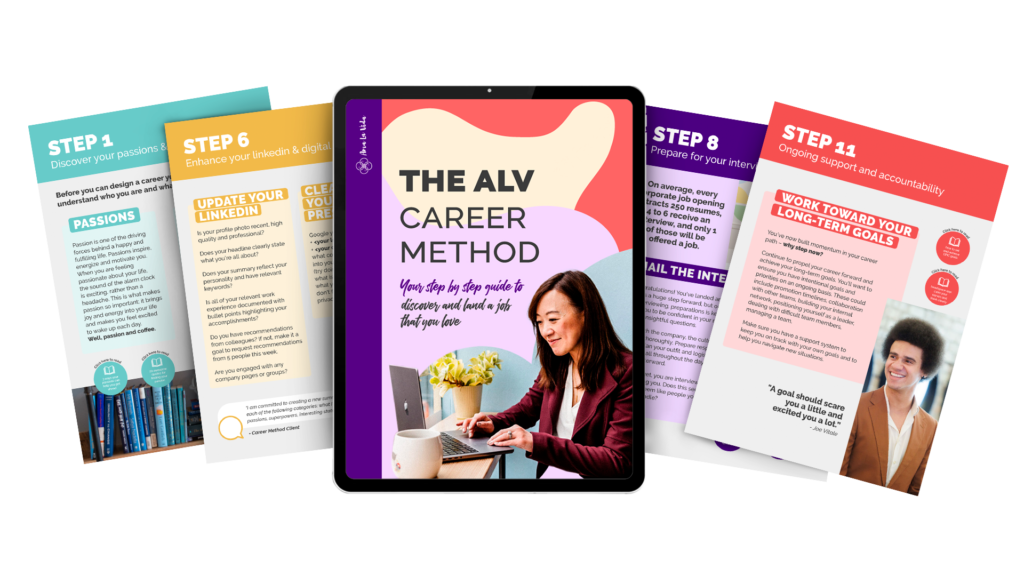

As I’m writing this post, I’m 36 weeks pregnant. I’m very lucky that for me this means that in about a month or so (depending on Tiny’s plan) I’ll be signing off for a 12-week maternity leave. Figuring out how to hand off work and take 3 months away from my job has been a project in and of itself. I’ve certainly woken up many nights over the last few weeks wondering… Who will manage this task while I’m out? What will the team need from me? Who will oversee the strategy of our initiatives that I’ve been leading? How can I ensure the team is set up for success? How will I make sure nothing slips through the cracks? However, it’s not just maternity leave that raises questions like these. Over the past decade of my career, I’ve changed jobs five times, traveled internationally more than once, and also supported dozens of clients as they managed their own transitions as well. Every time we prepare to be unavailable, whether for a finite window or indefinitely, we need to transfer knowledge to other people. How do you approach it? How to Hand Off Work Effectively 1. Define a list of what you’re managing I’m a fan of lists. I think in spreadsheets, so when I started my maternity leave plans, I made a shared spreadsheet with a line for each task or responsibility. When going on vacation, I started with my status document of all my projects that I maintained for myself. Alternatively, some of the other mommas at Ama La Vida used a Word or Google Doc to share their plans. My husband is planning to use OneNote for his paternity leave planning. It could even just be an email! The reality is, the format doesn’t much matter. Take some time, brain dump everything you do. 2. Who should take responsibility while you’re gone? Often when we leave a role, there isn’t someone new lined up to fully take over. Your work will get spread across a few people – you’ll have to delegate effectively. Think about the skill sets, historical knowledge, and time commitments of the people around you. Then align with those people and perhaps your supervisor to ensure everyone feels good about the assignments and the plan. 3. Add in context and background to your document You’ll want to assume the person taking over the responsibility for each task has no idea what it is. They’ve never heard of it. Start there. What do they need to know? This background might be history on a client, or the strategic rationale for a deliverable. This background will do two important things. First, it gives the new owner a mental framework for understanding the task at hand, which will help them process the information you’re sharing. Second, it empowers them to make informed decisions. By knowing the context of the assignment, they can evaluate any myriad of challenges that come up – be it slipping deadlines, budget choices, or evaluating suggestions. They need this! Don’t skimp! 4. Share the logistics Let’s get to the nitty gritty – logistics. What are the budget codes they’ll need? Where are the files stored? Who else is involved, what’s their contact information, and when should they be looped in? Lay it all out there when you begin to hand off work. 5. Make the action items clear Potentially the most important part, what actually needs to be done and when? As you’re handing off a project or role, there’s a funny window before the new person has fully taken over. They know it’s coming, but unless you’re very lucky, they probably haven’t fully wrapped their heads around everything they need to do. Lay it out for them. What are the key milestones and deadlines? What actions do they need to take? Answering these questions will not only make sure nothing gets missed, these immediate needs will also help the new folks transition into the mindset of the “owner.” Giving them the first few steps will help them get started. 6. Review it with the new owners Nothing beats the power of a conversation. Chances are, you’ve been doing the role long enough that certain parts of it are just second nature to you. It’s worth the time to sit down and talk through the details with whomever is going to take on your work while you’re gone. They will certainly have questions for you! Setting things up so you can hand off work and take time off or move to a new role can be very stressful and time consuming, there’s no doubt about it. Take your time. Document everything. Have good conversations. And then, when you’re off or gone, don’t think about it!
Read More
Self care has become such a buzzword lately. To be honest, it’s not just a 2020 thing. Self care has been thrown around rather lightly for years now. However, I think it’s with good reason: it’s important! Taking time to ensure your own needs are met is crucial to ensure you’re able to continue functioning, not just at peak performance, but any performance level during times of stress. Which, let’s be honest, is most of the time for most of us, 2020 or not. Daily self care sets the stress-baseline lower, so that when stressful situations come up, you’re not already at a 9-out-of-10 stress level. You have more capacity to deal with life in a functional way. So, yes, self care is good and important. However, self care is more than just the self-indulgent world of Korean face masks and impulse shopping. I think you know that by now. But then what else is it? My favorite way of identifying self care rituals with my clients is something I learned from Dating Coach Amy Young which she calls the “Sacred 6.” There are two important parts of this process. First, it’s important to define what are rituals in your life that meaningfully make you feel better. Second, you create a set of rituals that you try to do every day, or at least a few times a week, not just when you’re feeling overwhelmed. So here we go. Step 1: Define Your Daily Self Care List It’s great to think about self care habits in 4 different categories. I like to think of it in a matrix, which is handy, because then you can fill it out: Feels good Feels bad Is good for me Group 1 Group 2 Is bad for me Group 3 Group 4 Group 1 This matrix helps you think about all the different behaviors you can have in the day. For example, drinking a cup of black coffee in the morning could go in Group 1 (good for me and feels good) because coffee has a lot of antioxidants, it’s a calming quiet moment for yourself, and it’s delicious. I’d even put eating 1-2 squares of good dark chocolate in Group 1 for similar reasons. Group 2 Then Group 2 might be things like going for a run, meditating, or organizing your apartment — anything that you don’t necessarily enjoy in the moment but has a meaningful positive impact on how you feel afterward. Now, in the long run this Group 2 stuff might make its way over to Group 1 because you develop some positive associations with it, but anything you know is good for you that you tend to avoid goes in Group 2 for now. Group 3 Group 3 could be things like eating a whole pizza, binge drinking with your friends, or calling up someone you know isn’t really good for you just because you feel lonely. These are choices that might feel good in the moment, and we’ve all definitely done this when we’re in a funk, but long term these actions don’t actually make you feel better. You can do them on a Friday or a Saturday night, but they don’t make going back to the office any easier on Monday. Group 4 Finally is Group 4. Things that you don’t enjoy and honestly don’t have any positive impact on your life. Calling your toxic friend who belittles you. Burning your hand on the stove. You get the idea. We’ll get back to this last group later. So here’s the action. Take some time, make your own matrix. Step 2: Make a Plan Here’s where it gets good. Look at Groups 1 and 2. Come up with 6 things from those groups that can become your “Sacred 6” as Young calls it. Six things you can do (ideally) daily for your self care. These are 6 small moments where you know you’re taking care of yourself every damn day. How do you choose? My recommendation is to identify things that have the biggest positive impact on your mental health, which probably means a lot of stuff from the tricky Group 2, to be honest. For example, here’s my Sacred 6: Wake up early and work out first thing in the morning. Group 2. I honestly don’t like waking up early, and working out that early in the morning is hard. My body is sore and sleepy. Bed is warm and usually the cat is cuddling with me. But if I don’t work out before work, I often find I don’t have energy to do it in the evenings, and I love knowing I did something great for myself before most people are even awake. It sets me up for a good day and makes me feel super productive before it’s even 7am. Shower. Group 1. This one kind of goes without saying because I work out every morning, but even mornings where I had to skip the gym for some (God-forsaken) reason, I still shower. I also will shower sometimes at the end of a day or when I’m in a bad mood because the warm water, the rhythm of it, coming out all clean and cozy, just makes me feel better. Coffee. Group 1. I love my morning coffee. As I mentioned earlier, I skip the sugar and creamer, so I think this gets to fall in Group 1. Great start to the day. Get outside. Group 1-2. It depends on the weather really if I want to go outside or not, but I always feel better if I get out of my apartment, move, and breathe real air. Even if it’s just for 15 or 20 minutes in the rain or freezing cold. Tidy up your apartment. Group 2. I’d really rather not. I’d rather sit on the couch or go straight to bed. But taking 10-15 minutes in the evening to wash all the dishes in the sink, put things back where they belong,
Read More
There are probably as many reasons for learning to meditate as there are people in the world. It seems every day a new study comes out touting a new benefit of meditation. Some of the basics are simply reducing stress and increasing your performance in everyday life. We know that through both breathing exercises and focused thought practices you can trigger your parasympathetic nervous system. This is what triggers that decrease in your stress levels. You can also train your brain to be less reactive. This is what allows you to have more control over your responses to your environment and improve performance. Learning to meditate is one of those things that most of my clients have on their “should” list due to its benefits. Some of them have had regular meditation practices in the past, but have struggled to keep it going once their lives changed. Other clients have always aspired to the practice without much success. Meditation is HARD As a certified yoga instructor and life coach, let me just lay this out there: meditation is hard. Much like going to the gym in the beginning, nothing will make you feel more out of shape than trying to work out after a long break. Similarly, nothing makes you realize how stressful and chaotic your thoughts are than trying to focus your mind for even 5 or 10 minutes. However, just like going to the gym, it’s the practice of focusing your mind over and over again that brings the benefit. Every time you bring your mind back to the present moment, that’s a rep. Your mind wanders off, you bring it back, that’s rep #2, and so on. It’s not about actually getting your mind to be quiet, though over time that may start to happen for fleeting moments. It’s the reps that make the difference. Every time you can retrain your brain to recognize your thoughts separately from yourself, you help your mind and body do that in times of stress. The more you do it, the easier it gets. Beyond shifting your expectations, though, here are my top tips for starting a meditation practice that will hopefully make it a little easier for you. Beginner Tips: Don’t Try to be Perfect at It It can be very uncomfortable to sit and really watch your thoughts. It’s normal not only for thoughts to be chaotic, but also very negative. Rather than expecting it to stop or even to feel “blissful” right away, instead try to accept that these thoughts are normal. You’re practicing ignoring them. You’re practicing not following the train. That’s the whole point! Stick to Guided in the Beginning Like I said, it’s hard. Guided meditations are easier because the audio gives your mind a dynamic place to rest, rather than silence where your mind will naturally wander. Whether it’s a meditation app or recorded meditations on Spotify or YouTube, there are endless options to help guide you in your practice. Don’t make it harder on yourself! Try a “Learn to Meditate” Program I love Headspace and Waking Up for how accessible they are, though there are also many, many more. Both of these programs specifically are focused on the practice instead of any Eastern philosophy or religious concepts, which is great for most people starting out. You can trial each for free to see which style you like better. And the meditations are only 10 minutes a day for either of them. These programs are great for a few reasons. First, they will teach you different meditation practices. This is great so you don’t have to sit there going “Am I doing this right??” Second, they provide structure for you. The fewer decisions you have to make every time you want to meditate, the fewer barriers there are to starting your daily practice. Many of them will even send you a push notification to remind you! If You Can’t Sit Still, Move! Sometimes sitting still is just too much, especially if the voices that creep up are particularly painful. This is very common! For people dealing with anxiety, depression, trauma, or even just life, the things that come up in meditation might just be too intense to sit through. Totally normal and not wrong. Running, walking, vinyasa yoga, painting….anything that keeps your mind in the present moment is a perfect place to start. Work with Your Own Routine One of the most important things I ask my clients to do with any new habit is to think about what habits work for them. If you’re not a morning person, don’t try to force yourself to get up early to meditate; try it out for 10 minutes before you go to bed. If you don’t like sitting on the floor or don’t have a cushion, sit on your couch or chair. Find a system that works for you. It can be helpful to think about what worked when you’ve successfully picked up other habits. Then apply those habits to meditation. Remember, this is not about being perfect. Meditation is about giving yourself what you need and reducing your stress. Learning to meditate is about actively training your mind to come back to let go of your train of thought over and over again. Be sure to check out our workshop on Meditation and Mindfulness! Also, we’d love to hear your thoughts on meditation – what’s worked for you?
Read More
It’s the time of year again! It’s Resolution Time. As the year comes to a close, we naturally look back on everything that happened, and then dream of what we’d like to do differently in the year to come. “This will be the year….” And we should give ourselves credit because we DO the things! We go to the gym and we eat more vegetables. We stop smoking and we start looking for a new job. Well, for a few weeks. And then for some weird reason, we stop. So…why? If you’re asking “why do I keep giving up on my resolutions?” You are not alone. We ask why, because ultimately, we want to find a way to actually keep these resolutions. And there are really 2 major reasons why resolutions are dropped as quickly as they are made. 1) The resolutions don’t fit into your current lifestyle or 2) the resolutions don’t actually mean that much to you. So here are a few things you might want to consider on your path to not giving up on your resolutions this year. Reason 1: Your resolutions don’t fit into your current lifestyle. It’s about setting realistic, appealing goals that make sense for you and your life. I’m personally obsessed with Atomic Habits by James Clear, and what I love is how Clear breaks down what makes habits stick. Some big themes he hits upon are making your new habits appealing and obvious, letting go of perfectionism, and ensuring you have the right support to do them. First, your habits need to be appealing for you to keep it up. If you absolutely hate doing something, you’re not going to stick to it. So, for example, if you hate going to the cheap, dingy gym in your building but love going to the fancy spin studio down the street, it’s probably worth the money to invest in the spin classes since you will actually use them! Paying money for a gym you hate will get you nowhere toward your goals. Similarly, don’t promise to eat salad for lunch every day if you hate salad. Do some research for a few healthy dishes you will actually enjoy making (or a place you can buy them if you don’t like to cook). The point is, if you’re trying to change a habit, at least in the beginning, you need to want to take on the new habit. Second, make it obvious. Integrate this new habit into your regular routine. Some examples of this are stopping by the gym on your way home from work, using your regular, every-day to-do list or calendar to remind yourself of what you want to do, or maybe try stacking your new habit onto something you already do like brushing your teeth. This step is important because it’s easy to forget or make excuses for new habits that aren’t part of your daily life yet. Third, let go of the idea that you need to do it perfectly. It’s ok to “mess up.” When you skip a day or miss your new goal, try using how you feel without it as a reminder of how much you actually enjoy the benefits of your new lifestyle. Instead of saying, “You’re such a screw up! You’ll never become one of those gym-going people!” you can tell yourself, “Ugh, I wish I could have made it to the gym today! It always makes me feel so much better!” Ok, so maybe that’s a stretch for some of us, but you can at least offer, “That’s normal to miss a day when building a new habit.” And then actually go back tomorrow. Not all is lost, my friend! I usually aim for 80% compliance with my habits. Doing them most of the time is better than letting one little misstep throw off your entire year. Last thing I’ll say here, get some support! If you’re trying to quit smoking, maybe spend some time away from your friends that smoke. Maybe you want to go to the gym more (sticking with our theme), I suggest getting a gym-buddy. If nothing else, avoid the people who tell you that you’re never going to do it. That’s just rude! You don’t need to be around that energy. But bigger than that, this ties back to the first rule, make it appealing. As social creatures, it is easier to do something with the support of those around you. Build up your network so you’re not just relying on yourself to keep you motivated. For more on the practicalities of keeping your resolutions, I absolutely recommend Clear’s book. But for some people, all the practicalities in the world won’t get you to keep this new habit of yours. Which brings me to our next point. Reason 2: The resolutions aren’t meaningful to you. That might sound harsh, I’m sorry, I don’t mean it to. But with any good goal, it’s important to ask yourself a few questions in the beginning: Why do it? Why now? How will this impact my life? How will this impact other areas of my life, for better or worse? Is this something I’m doing because I want to, or because I feel guilty not doing it? And be honest! Because if you’re not honest, you’re setting yourself up for a resolution you’ll drop quickly. Regardless of how busy you are, regardless of all the things swirling around you in your life, if something is truly important to you, you will make time for it. Especially if you follow the guidelines under the previous section. Making new habits is hard. It’s uncomfortable. It requires rewiring your brain and pushing yourself (often physically) outside of your comfort zone. Don’t beat yourself up for dropping habits that aren’t going to have a big, meaningful change in your life. Yes, working out and quitting smoking and all the other great resolutions may be something that your doctor or partner or friend or favorite TV show
Read More
Welcome to part 3, my friends! Now that you know your professional purpose, that one thing you’re known for, that feels meaningful and inspiring to you, here’s how you go about actually making it into a brand. But first, let’s review! In part 1, we talked about what actually is a personal brand and why should you want one. Quick recap: your personal brand is what you want to be known for (usually in the professional world), and it’s important because it helps you connect to other people in meaningful ways. Then in part 2, we discussed how to find your personal brand, which is ultimately the way you are best suited to contribute to an organization; how you best help people. Throughout this article, I’ll refer to you doing “your thing.” That “thing” is your personal brand. If you don’t remember or haven’t defined your brand yet, you should go back to Part 2. Great. Let’s rock and roll. Hold up, why do I need to do this part? Very fair question. Short answer: so you can do the thing you love to do more and better. So you can connect with other people who either are doing the same thing, or who want to help you do your thing, or who want to give you a job doing that thing. You’re establishing yourself as the person who knows a lot about it. Who cares a lot about it. You’re the expert. It’s your thing. You want people to know. Become an expert I don’t really care how you consume information, but you need to start consuming information. That might be the radio, podcasts, magazines, books, blogs, YouTube videos, documentaries…there’s a lot of ways to do it. This shouldn’t be painful or hard for you, tbh. You’ve picked the topic that you love the most, that gets you the most excited, in some way, shape, or form, I hope you enjoy learning more about it. If it’s not, please revisit our last post and start over. Remember, it can be music or sports or fashion. It can also be gene-splicing. Whatever gets you excited and happy to dig into the subject in your free time! Pick your channels Oof. Channels. What the heck are those? Well, if nothing else, when you’re talking about your job, it’s probably LinkedIn and maybe Twitter. Let’s keep it simple, shall we? Channels are ways to talk to other people. LinkedIn and Twitter are the best-known and most widely used of them for networking purposes. Depending on your industry, it could also be Instagram, maybe YouTube, maybe TikTok? I don’t know, I heard it’s something the kids are using these days. Don’t make it complicated. Unless you have reason to believe you need to use something else, stick to LinkedIn. Twitter if you feel so compelled and want to post a whole lot. Your newsletter or blog if you have one. And I hope it goes without saying, it’s also every person you talk to in the real world. At a party, at the grocery store, everywhere. Talk about it Share the information you learned that’s interesting to you! Do it on LinkedIn. Maybe Twitter. In the lunchroom. Definitely with your boss and at that networking event. Talk about it at the grocery store and when you’re stuck between floors on an elevator. You are a wealth of knowledge dedicated to helping people and the world through your very special subject. Don’t be shy! Read, form an opinion, and help others by telling them what you know. And it’s true, not everyone will appreciate it, but that’s ok. You are broadcasting to everyone that you are passionate and knowledgeable about things that excite you. Over time this will open doors to new opportunities for you that will continually excite you and help you grow your career in a direction you actually want to grow. Questions? Thoughts? My two favorite subjects are branding and your career, so please drop a comment below if you’d like to connect. Until next time, my friends! XO, Libby
Read More
How do I know what my personal brand should be? Welcome back, my friends! In case you missed it, last time we dug into what actually is a personal brand and why should you want one. Quick recap: your personal brand is what you want to be known for (usually in the professional world), and it’s important because it helps you connect to other people in meaningful ways. This week, we’re moving on to what your personal brand should actually be and how to define it. And if you don’t know, how do you decide? Great questions. Let’s dig in, shall we? How do you define your personal brand? Again, knowing that your brand is what you want to be known for, it can be made up of a few things: Backing up. We all have that friend, right? She’s known since she was a kid that she wanted to be a police officer and has followed that dream doggedly every day until she reached her goal. Or maybe your friend is an environmental rights activist who cares so much about global warming he carries metal straws with him everywhere and gives you a look any time he sees you accept a plastic one at brunch. For better or worse, that’s their brand. And to their credit, these people know who they are and what they’re passionate about. And maybe that’s you! If you can quickly and easily name what you’re passionate about, that’s a big part of your brand. If you’re just not completely sure what your professional passions are (which is really common), it’s time to get really reflective about some key questions: This is just a jumping-off point, hopefully, you get the idea, though if you’re finding these questions hard to answer, Ama La Vida has a wonderful career membership that helps you dig in a little deeper to your passions, gifts, and values to uncover your purpose. Just sayin’. Put it all together Now that you’ve pulled together all that data, find your key themes. It might just be one, but I wouldn’t go more than 4 or 5. Write them down. Pick the one that’s most relevant to your career, particularly how you want to contribute to a company, organization, or the world. Maybe it’s a mashup of 2 or 3 that fit together nicely, like a specific group of people you want to help and a specific topic on which you can help them within a key industry. I’m getting ahead of myself. Here’s your framework: I help [group of people] to [do this thing]. So, for example, as a coach, “I help young professionals to create careers that are meaningful and fulfilling to them so they can create lives they love.” A police officer might say, “I help the citizens of my town to feel safe by enforcing the law.” An investment banker would say, “I help startups in my niche industry to raise capital by issuing stock to fund their future growth.” This is your brand. It’s what you stand for. People in your professional circles know that this one thing is the thing you enjoy doing more than anything else and are really, really good at. When they need someone who does this thing, they think of you. When you meet people and they ask you what you do for a living, that sentence is what you tell them. Your personal brand is the one thing you’re known for, make sure you define it. It enables people to easily connect with you and support you in your mission to make the world a better place by doing the thing you love to do and do best. Now that you know what your brand is, what’s next? Great question again! Let’s talk about that next time. XO! Libby Looking for more resources? Try this Forbes article about personal brands!
Read More