Category: Presence

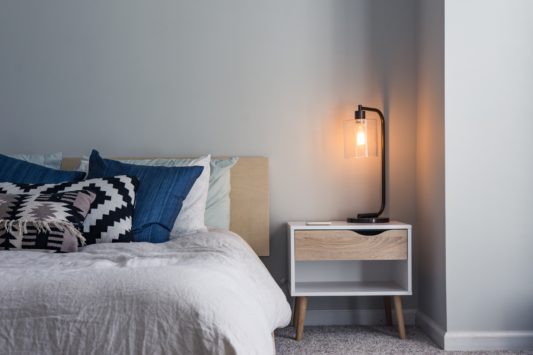
a lamp and a bed to help you think about your nightly routine

Did you know what you do the night before significantly affects how you show up the next day? While the morning mindset, movement, and motivation routine will work wonders to shake the cobwebs off, there’s no replacement for a solid amount of shut-eye. I recommend adding these habits and upgrades to your nightly routine to help your mind clear, body relax and sleep improve. I do not buy into the idea that in order to be successful your sleep has to suffer for extended periods of time. After a few days of not getting a solid 6 to 7 hours, I am irritable and angry. The quality of my work, relationships, and life, in general, takes a hit so I’ve made it a priority to create an environment that allows me to fall and stay asleep. Over the years, I’ve tried everything under the sun to get a solid night’s rest. In my experience, I suck at sleeping. It’s like the military and fire department has permanently disrupted my body’s ability to fall and stay asleep. Unlike my fiancé, who drifts off as soon as her head touches down, I used to toss and turn and stand and sit in an attempt to finally fall asleep. I’d turn on the white-noise fan app, put earplugs in, and, even with blackout curtains, still put a shirt over my eyes to catch the chance of any other light. I put magnesium in my chamomile tea and am always on the lookout for supplements that support sleep. I’ve had a lot of experience with restless nights and there are a few things I’ve learned. So how do I nail my nightly routine? Excellent question! The following article goes over habits and rules I’ve implemented into a nightly routine that puts me in a headspace to reduce stress, sleep better, and wake up more refreshed. My hope is that they’ll save your sleep, just as they did mine. Stretch For the same reasons, you’re stretching in the morning add this to your nightly ritual. Stretching will help you destress and unwind before a restful night of sleep. It frees up tension built up in your back, legs, and mind. After a long day’s work, it’s certainly tempting to flop down on the couch. Just don’t miss out on the opportunity to relax your body and unwind your mind so you’re better set up for a night of slumber. If you do sit down and watch TV, slide off onto the floor and do your morning mobility routine once more. Add some static stretching and foam rolling to release all of the energy bound up from a long day’s work. Focus on stretches and exercises that loosen up tight hips and shoulders and relieve back pain. If you sit down a lot, chances are your hip flexors are tight, your hamstrings are overstretched, and your back is weak. Correct these imbalances with a couch stretch, hip bridge, and any and all of these you can do on the floor while catching up on your favorite show. Try this: Spend 10 minutes static stretching and foam rolling each night before bed. Hit all major muscle groups, sinking, slowly into a deep stretch for 20-30 seconds at a time.  Shut off your devices What you do the final hour before bed determines the quality of your rest, the details of your dreams and how you show up the next day. Don’t sabotage your sleep by staring at a screen. Do not be lured in by likes, shares or media that’s manufactured to distract you. We’ve been emotionally conditioned to buy into the illusion that we must always know what’s going on with everybody, at all times, all around the world. We don’t. If you must know the happenings of the world or respond to social media requests, set aside some time during the day to scan the screens.    My favorite thing about a phone is the airplane mode feature. When you’re at work, be ready to respond and react to meet the incoming demands of your clients, customers, and coworkers. Once you get home, especially during the crucial last hour before bed, put your phone in first-class mode and find some time for yourself. Once you do, you’ll start to see your sleep quality improving alongside your memory, focus, and mood the next day. Remember to keep your phone in airplane mode at least until after you’ve wrapped up your morning routine.  Try this: Stick to just one show or a specified amount of screen time then power off and slide your phone into airplane mode, at least 1 hour before bed.   Sit down and reflect Everything you have right now in your life is a culmination of your past thoughts, ideas, and decisions to this point. It can be easy to lose sight of the fact that we’re in charge of where we steer this ship. The final hour before you sleep is a sacred time to remember, reflect on, and learn from the day. Each night brings a new chance to evolve and grow. If you are dissatisfied or after more growth, more love, more freedom or anything else under the sun, take the time to sit down and reflect each night to track how much closer you are to obtaining it. It’s never too late to course-correct. Everything that happens to you is a lesson you need to learn. The faster you learn the lesson, the faster you level up in life. Take some time to reflect, grow and let go each night by asking yourself the following 3 questions. Write down your worries and unfinished to-do’s and look for any silver linings or hidden lessons from the day. Ask yourself: What worked well for me today? What could have gone better? How did I grow? Try this: Make reflection a part of your nightly routine before you go to bed by answering the above-stated questions. Show gratitude Cultivating feelings of gratitude is

Read More
making play matter a girl dancing in the sun

In today’s world of perpetual busy-ness, it’s easy to forget to make time for play. (Did she just say play? I’m a grown@$$ woman.) Yes, play! Think about it, as children we are encouraged to play make believe and flex our imagination because it is a fundamental part of our development. So why should we ever stop playing? The answer is, we shouldn’t, and I’ll tell you why play matters too. But first, as with most of my writing, I feel a definition is in order: Play /plā/ To engage in activity for enjoyment and recreation 2. rather than a serious or practical purpose. Don’t you just love that explanation? Something in the world exists that DOESN’T relate to our next “to-do”. Better yet, the benefits are backed up by SCIENCE! The Scientifically Proven Benefits Behind Play For me, “play” equates to creative expression whether that’s through painting, photography, writing, decorating, or dance. I especially love the moments when I’m in the zone, thoroughly caught up in whatever I’m creating, totally disconnected from the outside world, and lose all track of time. There’s actually a name for this, which is flow. It’s a state of consciousness characterized by a feeling of absorption, skill, and fulfillment.[1] Flow was defined by Hungarian-American psychologist, Mihaly Csikszentmihalyi. Csíkszentmihályi described flow as “being completely involved in an activity for its own sake. The ego falls away. Time flies. Every action, movement, and thought follows inevitably from the previous one, like playing jazz. Your whole being is involved, and you’re using your skills to the utmost.” And why is flow so important? Because it eases anxiety, improves mood, and even slows the heart rate. Further, Cognitive Psychologist, Dr. Scott Barry Kaufman, explains that; “the important concept of theory of mind, an awareness that one’s thoughts may differ from those of other persons and that there are a variety of perspectives of which each of us is capable, is closely related to imaginative play.” So basically, for adults, this means that we become more open-minded and less stuck in our ways. When we allow ourselves to play we loosen up and when we are loosened up, we’re less judgmental and negative. Beyond this, playing, or doing something just for enjoyment, leads to lower stress levels, improved mental health, decreased dementia, boosts the immune system, improves analytical thinking and problem-solving skills, allows room for self-expression, aids in empathy, cooperation, negotiation, and communication, AND can reduce blood pressure. Wow. Excuse me while I go paint a pretty picture. The Reality All day long we are bombarded with emails, calls, texts, DMs, and face-to-face conversations that are typically asking something of us. “Can you pick up some lettuce on your way home?”, “When will you have that presentation finished?”, “Did you follow up with Susie about the baby shower planning?”. I classify these asks as my “to-dos”. They go on a list and I tick them off day by day, one by one. The items on my to-do list are typically either practical or serious in nature. Sometimes there are things on the list that I REALLY don’t want to do at all! But oddly enough the things that I actually DO want to do never make an appearance on my to-do list. Can you relate? We carve out so much time to accomplish the practical agenda items that we rarely set aside time for recreation. Finding the time to play is a rare occurrence. But why? It is my belief that play isn’t a priority because it isn’t what society considers to be productive. How often do you have conversations with your colleagues, friends, and family about how BUSY you are, almost like it’s a contest to be the busiest? “I have 5 huge meetings coming up, a presentation to write, I have to finish planning Susie’s baby shower, I have a hair appointment, I need to get groceries, AND we go on vacation in two weeks so I have million errands to run.” Even vacation becomes a to-do and I honestly think we make it that way because we feel guilty that we’re going to go do something for the sole purpose, none other than to, ONLY because it brings joy. The funny thing is that if we made play a priority we would actually be MORE productive…20% more productive in fact! So hopefully the question you’re asking yourself now is, “how do I make play a priority…actually, it’s been 20 years, how do I even play?” How to Play! Here is where I drop all citations and hyperlinks and give you my own personal opinion. Why am I qualified? Because I’m a human being (and also, I’ve tested this out). First, you need to figure out what equates to play for you. Remember, play is an activity for enjoyment and recreation. Here are a few suggestions if it’s been awhile: Paint Do a puzzle Plan a vacation or even just a day trip Write something Redecorate a room in your house Make a floral arrangement Go take artsy photos around your community Play a boardgame Take a dance class Join a sports league Read a book Cook a new recipe or create your own Make a scrapbook Go golfing Take a drive Pack a picnic Knit a scarf Whittle a… I don’t actually know what gets whittled, but you can learn! Learn how to sail Play dolls or action figures with your kid Create your own wine tasting Make a bucket list Coach a little league team Volunteer Join a choir Go to a concert Build a sand castle Take a pottery class Learn how to play an instrument Make a quilt Do someone’s makeup Go for a leisurely bike ride Draw a picture Make a necklace Learn a new language Make a model airplane Bake a cake The possibilities are endless and there is something for everyone! Now stick to the action plan below and I promise you will see positive results in a very

Read More

Two people walk into a bar… The first sees less than ideal lighting. She sees a drink list that doesn’t exactly excite her. She hates the flooring. It doesn’t seem like her crowd. The bathroom is a little dingy. She has all fair points. The second person notices that the bartender knows everyone personally and remembers their drink orders. She sees they have a popcorn machine – she loves popcorn. She sees people enjoying playing pool together and friends catching up – she excitedly tries a new beer she hasn’t had before. Sorry to those of you who were waiting for a hilarious punchline. Unfortunately, this story isn’t a joke; it’s a reality. The bar is neither good nor bad. The bar is exactly what you perceive it to be and a direct reflection of your mindset.  Maybe person one just really hates dive bars. That’s fine. Maybe she’s had a bad day. That’s fine too. But the fact of the matter is, one way or another she has found herself in the bar, and she has a choice to either embrace it or denounce it. We are constantly exposed to massive amounts of data about our surroundings and experiences. We are in control of which pieces of information we internalize and use to form our opinions. And our mindset as we process this information will shape whether our opinions and experiences are positive or negative. As we learned last week at our Weducation event with Coach Libby, mindset is everything. We learned 7 different mindset levels all the way from self-pity to complete transcendence. Unless you plan on spending  A LOT of time meditating, your goal should be to spend most of your time somewhere in between. There is certainly a time and place for realism. There is an appropriate time to feel sorry for yourself and grieve. And there are times when you need to get angry to be able to move forward. And there are times when caring for others is a noble cause. All mindsets have an appropriate time and place, but the question is, which do you want to be your default? Where do you want to hang out? Two people walk into a bar. Which person has more fun? Which feels better? Who do you want to be around? Two people walk into a bar. Which one are you? This week’s challenge Print out the mindset chart from above, and keep it handy throughout the week. Reference it throughout the day, and determine in which level you reside most often. Assign a daily breakdown to how much time you spend in each mindset level. At the end of the week assess: Is the breakdown what you thought it would be? Is the breakdown what you’d like it to be? How can you catch yourself when you are going into a less desirable mindset? What helps you to elevate to your desired mindset?

Read More
man going for a morning run because he believes in making his mornings matter

Humans are wired for structure and routine. The certainty they provide creates order in the midst of chaos. But I’m not talking about the type that has you thinking, feeling and doing the same thing every day without any conscious thought. I’m suggesting you need a structure that provides you with balance, clarity, energy and focus to actually realize your goals.  Daily structure provides the space we need to maintain our sanity throughout the day. The consciously created morning routine is the calm in the storm. Starting in 6th grade I was regularly getting kicked out of school for fighting, skipping class, and cussing out teachers. My broke, single mom of four kids could barely keep us all afloat. I was reckless, angry and headed down a very dark path until I met a mentor that helped me clean it up just enough to graduate early from high school and join the Marine Corps. Over the next four years, I went on three deployments, was meritoriously promoted twice, and recognized as “Marine of the Quarter.” The military provided the structure missing from my childhood. In the US Marines, structure is a way of life. Wake up call is at 5:30 am and you’re down in formation ready for physical training by 6 am. After the morning run, you clean up, shower and shave before 8 am. Although each day was a bit different, and some were busier than most, there was clear order and a chain of command. We knew where we needed to go, what to do once we got there and who would yell at us if we didn’t get it done. We thrived as a team because we had the structure and sense of direction a team needs to succeed. Comfort Zones and Discipline Leaving the comfort of comradery and unmistakable structure and sense of purpose, many veterans find the transition difficult. There’s no wonder why so many fall on their face once they leave the service. The vacuum caused by a lack of meaningful structure is the reason humans lose their way. Too many return home leaving too much up to chance or circumstance. If you’re not willing or otherwise unable to build systems in your life that will help you succeed, you are destined to fail. But structure and routine aren’t just for Marines and troubled teens. You need them too.  Had I known that it was even possible to alter my mindset, mood, and motivation through my own personal action, my childhood and my military transition would have been quite different. Now, everything has changed. I believe, with the right structure and support, any dream can become a reality for every single person willing and ready to work for it. Coaches, mentors and great friends and family provide the support but, if structure is lacking in your life, you must create it for yourself. Let this morning routine serve as a starting point. The discipline it takes to damn near religiously follow this sort of structure is one of the first steps needed to maintain sustainable success. The following 3 habits are the missing links in your routine to make you more positive, present and proactive so you can enjoy the life you’ve created. Don’t let off now, read on to learn the new habits to take your mind, body, and soul to the next level every single morning.  Adding these to the start of your day is a surefire way to transform your life. These habits should be used in addition to the habits learned in Part 1. If you missed out on that, catch up here.  Now, let’s jump back in!  Mindset – Meditate What? Mindfulness is simply being aware of your thoughts, feelings, emotions and experience. Do you hear the birds chirping? Feel your heart beating? Do you recognize that you’re a bit tired and weary today? Meditation is a life changing practice that brings mindful awareness to all of that. This is not a fad. It’s been bringing peace to people around the world for centuries. No single habit will inject as much space, energy and clarity into your life than regular and consistent practice of meditation. Sit down and enjoy!  Why? Too much stress? Meditate. Anxious or angry? Meditate. Feeling down or depressed? Meditate. Trouble sleeping? Meditate. Short-term memory loss? Meditate. Want to completely and drastically change your life, outlook and perspective in a matter of a few weeks? Meditate. Meditation provides an abundance of mental, emotional, psychological and social benefits. There’s a whole host of scientifically backed benefits of the regular practice of mediation, if you’re into that kind of stuff. Speaking from personal experience, meditation has changed my life, saved my relationships and clarified my path and purpose. With regular practice, I’ll bet it will do the same for you.  How? There are a number of different meditation practices and platforms for learning more. Find the one that best serves you. The 6-Phase Meditation is a great way to learn the fundamentals of different meditation techniques. If you’re interested in a more straightforward way to meditate, and learn about the human mind, try the Waking Up app. For more basic guided meditations, check out Simple Habit or Headspace. Be sure to download our ALV meditation guide. At the most basic form, you can start the practice of mediation by sitting comfortably upright in a quiet room. Next, follow the feeling of your breathe as you inhale and exhale. Your mind will start to wander and once you notice that it has, gently guide your awareness back to the breath. Don’t let those thoughts that say “it’ll never work or “this is stupid” or “meditation isn’t for me” derail you. That’s your ego, and it’s scared of the freedom you will gain once you break from its grasps. Acknowledge the thoughts that pull you up and onwards and let go of the those that no longer serve you. Following the gratitude practice from Part 1, meditate for 5

Read More
mornings ready to be mastered

The following is Part 1 of a Master Your Morning series meant to help you start each day the right way. Over the coming articles, I’ll introduce a handful of keys habits to implement to your morning routine. Adjust these ideas to match your age, interests, and ability to start each day proactive, positive and present. It’s a choice to let excuses, ego or lack of effort get in the way. Once you manage to overcome these blocks and master your morning you open the door to a new realm of personal power, freedom, and growth. Feels good, doesn’t it? What are you waiting for? Let’s get started! Why Did I Want To Master My Morning I spent all last spring selling nearly everything I own. I sold my car, gave away clothes and purchased a one-way ticket to Costa Rica with no real plans on when I’d return. For a full year before I decided to walk away from what I once thought was my dream career, I was depressed, overstressed, and overwhelmed. I felt stuck in a career and I couldn’t imagine living this way for the next 20+ years. Really, I was unhappy with myself. I dreaded the day and hated the life I had created. It seemed I was at the mercy of my bad mood and, after a back injury kept me from the gym, I crumbled to the lowest point of my life.  I was sick of living life looking forward to retirement. I was desperate. It wasn’t until I stumbled across a video that described the power of a morning routine did I realize I could start to break away from my bad mood and attitude if I set out to create a routine for myself. I realized I was living a life dictated by chance and circumstance, not one that I consciously created. I learned in that video that it’s rarely some big break that makes someone successful, but rather a set of planned habits, routines, and behaviors that they start up to build and sustain their success over time. There is a method behind the magic. I learned that in order to climb out of the hole I had dug for myself, I’d need to take complete ownership of myself and the best place to start was my habits. It’s true, either you make your habits or your habits will make you so I dove in an attempt to take back control of my life. It worked. How I Started Mastering My Mornings I started to build my morning routine and have worked to master it every day since. This simple yet life-changing daily practice laid a foundation of freedom that carried me on what ended up being a 10-month around the world backpacking trip. The trip was so incredibly rich with experience and growth. It was truly better than I could have ever imagined, and I’m a completely different person than I once was, but none of it would have happened, had I not made the decision to take back my life nearly 2 years ago. If I would have not begun to master my mind, body, and mood when I was at the lowest point of my life, none of this would have ever happened. In the age of information, ignorance is a choice and I was ignorant. I was ignorant to the fact that I, and I alone, was in charge of creating a life that I love. This morning routine laid the foundation for me to do just that and more. I’m more focused, productive, patient and positive than ever before because I am now no longer living a life dictated by bad mornings and moods. I’ve instead consciously created habits that get my mind, body, and motivation on track so I can go out and have an amazing day. Although quitting your job and moving away might not be for all of you, intentionally initiating this morning routine is. After some trial and error, I created habits that first pulled me out of my darkest days and then pushed me on a trip around the world. I’d like to share it with you. We’re going to start with mindset. Mindset – Gratitude What? The habit of gratitude is a subtle yet incredibly powerful practice that shifts your perspective to all things positive.  It allows you to direct your focused awareness to and actively look out for the good things going on in your life. By training your brain to notice the good things about each day, like some sort of magic, more things to be grateful for appear. No matter where you are, what has happened or how you feel, there is always something to be grateful for. Do not miss this opportunity! Why? Gratitude increases energy and empathy and reduces anger and aggression. It can improve your sleep and increase your self-esteem. By saying “thank you” and being grateful we can strengthen our relationships and resiliency and even make new friends. Who wants to be friends with someone who can’t manage common courtesies? Don’t let that be you. There are a number of subtle yet serious health benefits that come along with this habit not including the fact that it is absolutely free. With gratitude, you get to create your life by choosing what to focus on and there’s no personal freedom as powerful as that. How? It’s time to acknowledge how far you’ve come. It’s time to appreciate your unique skills, strengths, and abilities. Now is the time to acknowledge the people in your life and all of the opportunities that have made you who you are at this exact moment in time. Each morning after you jump out of bed write, type or tell someone the 3 things you’re most grateful for in your personal and professional life. Next, take time to acknowledge 3 things you are grateful for about yourself. There’s a reason you’re here and the reason you’re reading this.

Read More

Planned Happenstance, yes where the magic happens. I am hoping to capture all of you career changers (life explorers) with this concept that I guarantee with a bit of curiosity, open-mindedness, and grit will get you exploring your options in no time! The planned piece is perfect for those of you that much prefer to have order and structure to understanding your career journey, and the happenstance piece for those that like me, prefer to go with the flow and allow events to unfold in your life unexpectedly that will later take shape and meaning. I truly believe in the power of planned happenstance. These events are taking shape in everyday moments in life, and the kicker is, they are usually unexpected, yet we have a lot more to do with these events than we give ourselves credit. These events do not happen by luck. These events happen because of the action you take around the unexpected, unplanned part of the equation. What I really want to say is that expect the unexpected, and from there, run towards what is stirring inside of you to take action from that initial excitement, yearning, or draw you feel towards this unexpected encounter, conversation, or event. What makes me excited and engaged in using Planned Happenstance are the key skills that you can implement right now to try this out on your career journey. These five skills connect the theory to practice. Curiosity What are you most curious about? Curiosity allows us to stay open to exploring new learning opportunities and let’s face it, the career transition or job search will ask this of us directly. To help navigate the unexpected in any of these career steps, we do not always know where the next job opportunity may lead us. To remain curious can start with learning about ourselves. You can become curious by exploring conversation and meaning with others in an industry you are exploring, or even taking on a new learning experience by way of a course to learn new skills will keep you feeling motivated and unstuck during this process. To help you create more curiosity, start by asking yourself what other interest areas seem intriguing to explore, starting now! By starting now with curiosity, you will cultivate ways to learn by doing, learn by sharing and improving your skills. Persistence Where can you consistently show up for yourself? To have accountability in your career process may include setbacks, yet despite those setbacks, you are willing to put in the time and effort to show up for the work. Every single one of us has used persistence in some way. You have been persistent with waking up and going to work, going to school, learning a new concept to challenge ourselves, but even more so, we have all faced a challenge and using persistence to overcome those challenges is the skill to continue to learn from past and future unplanned events. What can we do when the going gets tough? Reach out to your support system and be open to recognizing where you can seek help. This quote captures this all too well where writer Ashley C. Ford says on career transitioning, “Ask for help. The worst you will hear is no, and it won’t kill you. But the yeses? The yeses are there and they’re waiting. Go get your yeses.” Flexibility To remain open to possibilities is to remain flexible in our reaction and transparency to opportunity. This key skill here is to remind you that in order to have opportunities present themselves, you will remain open to change and that includes a change in attitude at times. This is not an easy task, as it is comfortable to stick with what we know. How would your life change if you acted? How would your life change if you did nothing? The flexibility you allow yourself to explore and be excited by life sheds light on your openness in changing your attitude toward life. The inner work can prove to be difficult but with the shift in attitude, that same work will become more enjoyable. Optimism Happy thoughts, happy life! To be optimistic and to use this as a skill, you first have to view new opportunities as possible. How would you describe a chance event you wish to happen to you? How can you then act now to increase the likelihood of that desirable event? You can control how you choose to act on any and all chance events and your optimism towards this action. These events may include conversations and chance meetings with someone at the grocery store or gym, or maybe a friend recommends you to connect with someone at their company. To embrace these opportunities (leads) as being possible and attainable is to be optimistic, and this is where you create your own luck. Risk Taking Opportunity to fail? Wait a second, failure is not optimistic. The idea of failure is scary and that comes with the territory of the unknown. Without knowing, how can we be sure our efforts are a success and without failure, will we challenge our depths to explore further? Without discomfort and uncertainty, can we truly grow? Maybe you have a creative risk you have been nervous to start and have self-doubt. Maybe you have always wanted to start a blog and share your work. Starting a blog may not be a huge success right away, however, without starting somewhere, we start nowhere. What is your wildest, spark of joy idea? Whatever it may be, take action to move in that direction. I know I have always wanted to teach yoga in remote locations around the world. Where I can take action now is to continue practicing my yoga and teaching skills and connect with other teachers who have taught abroad, and then, of course, I have to take the leap and actually teach a yoga retreat abroad! Have fun with this skill, see what happens when you allow

Read More

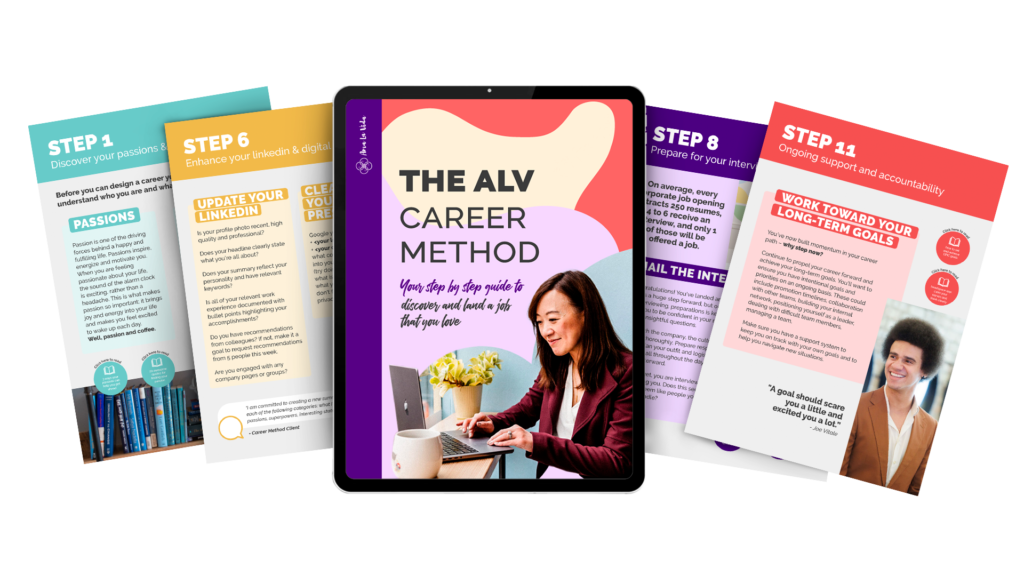
Download our comprehensive step-by-step guide to design and land a job you love!

Images from The ALV Career Method Guide
ALV Method Downloadable Guide

For years after college, I struggled with negative moods due to uncertainty on where my life was headed. I started questioning whether I was living my best life. What were my values and was I living in alignment with them? What does it look like to live authentically? Not knowing the answers and still struggling, I was diagnosed with a chronic illness, on top of my discontent. Once your body is hit with a debilitating illness, there’s no choice but to address the underlying issues. Once symptoms were under control, I was able to truly investigate how I was living my life. I looked at each area (physical, social, professional, financial, etc.) and addressed many issues that I had been neglecting: For me, living a more authentic life lead to greater health, presence, joy, and gratitude. So, what is authenticity? Authenticity is the feeling that you are living according to your true self and in alignment with your values and identity; you are not trying to be someone you’re not for the sake of others around you. Brene Brown, psychologist and researcher, has defined authenticity as, “the daily practice of letting go of who we think we are supposed to be and embracing who we actually are, by cultivating the ability to be imperfect, allowing ourselves to be vulnerable, and setting boundaries.” Psychologists and researchers suggest authenticity plays an important role in well-being, and being inauthentic can negatively affect mental health. Many studies have shown that people living more authentic lives report more positive emotions, greater happiness, and higher self-esteem. They also report lower stress, anxiety, and depression. Authentic behavior also leads to better relationships. Fear of rejection can cause people to avoid expressing who they really are, therefore hindering the development of meaningful relationships. Brown states, “In order for connection to happen, we have to allow ourselves to be seen, really seen.” In her research, Brown found that those who felt most connected to others and satisfied in their relationships were able to stay true to themselves. “As a result of authenticity, they were willing to let go of who they thought they should be in order to be who they are.” 1. How can you cultivate more authenticity in your daily life? Identify and prioritize your values. If you need help, try this Values Assessment worksheet. Health became my number one priority, so I focused on nutrition, exercise and stress reduction. It became important for me to find ways to be more peaceful and content, so I had the capacity to be at my best not only for me but for others. It’s important to identify what takes precedence for you, so it can help guide your daily actions. 2. Build self-awareness by observing yourself. With your values in mind, pay attention to how everyday situations make you feel. I began to look at how I treated my body: what food made me feel sluggish or energetic, how lack of exercise affected my energy. I discovered through trial and error I felt my best with a combination of yoga, running, and high-energy foods, while avoiding that which zapped my energy. 3. Practice values-based mindfulness moment to moment. Mindfulness is key in making any positive change. When we slow down to take a moment to breathe, we can tune in more directly to how we feel, physically and emotionally. Our bodies provide valuable feedback and can help you determine if the present moment is aligned with your values. 4. Let your values and intuition, your inner compass, guide your decisions, actions, and interactions with others. When we get in the practice of being mindful, it becomes easier to notice when something isn’t right or when we’re making the best decision for ourselves. I started to shift my old, negative habits, by creating new ones that aligned with my goal of living a healthier life. Ask yourself, what negative habits are holding you back? What can you replace those habits with? What will help you live authentically and in alignment with your values? 5. Speak your truth, without fear. Ask for what you want or need, and maintain your boundaries. Saying “no” can be difficult if you’re in the habit of people-pleasing. But what if your saying “yes” goes against your values? How do you feel in that moment? Sometimes the situation calls for your authentic self to show up and create those boundaries based on what you need to stay true to yourself. In order to live authentically, you have to know and communicate your boundaries. 6. Express vulnerability. Brown suggests re-framing what vulnerability means. Rather than perceiving vulnerability as weakness, embrace it as a brave and courageous act. Finally admitting I was neglecting certain areas of my life gave me the opportunity to ask what I truly want for myself. Who do I want to be and how do I want to show up for others? Being vulnerable was the catalyst for significant change. It’s not easy, but it’s worth it. When I decided to prioritize my health, compassion for myself, and loving-kindness for others, my well-being improved. I learned how to be present and joyful in everyday moments – I learned how to live authentically and true to myself. Cultivating authenticity has the potential to enhance well-being and happiness. I hope these tips can help you on your journey to living your truth. If you’re ready to live more authentically and aligned with your personal vision and purpose, book a free consultation to get matched with a life coach.

Read More
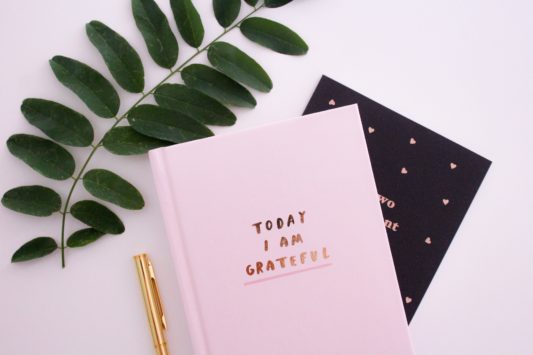
journal used for questions of gratitude

I recently returned from a wonderful vacation in South Africa. It was a nice blend of planned excursions and time for relaxation. I’m not one of those people who likes a jam-packed agenda when I’m traveling. I like to have some anchor points of things I know I absolutely want to do and then leave the rest for when I arrive. We always end up meeting interesting people and deciding to do things we never would have known about when researching back home. One day on this trip I turned to my husband and said, “What do you want to do tomorrow?” As the words came out of my mouth, they lingered there for a moment. That sentence really struck me, and I felt overwhelmed with wonder and gratitude. This simple question – what do you want to do tomorrow – said so much. It said that we had the freedom and luxury to choose our day. It said that we were healthy and able-bodied enough to pursue an adventure of our choosing. It said we had the means to make our choice a reality (within reason). It said I had a loved one to share my tomorrow with me. “Wow,” I thought. “I am really, really lucky.” What types of questions do we ask every day that we take for granted even having the ability to ask? What types of seemingly insignificant, benign phrases actually mean so much more than we realize? Something as simple as, “What’s for dinner?” can mean so much when you really think about it. How many wonderful aspects of your life are wrapped up in that single sentence? As you move through your day today, I ask you to take note of these. “What did you learn in school today?” “When do you think we should open the pool?” “How did your presentation go?” “Can you please, please help me fold all this laundry for once?” Stop and pause for a second to think about what each one says about your life. Think about the assumptions embedded in each. And then let yourself feel that same moment of gratitude for the gift of being able to ask the question.   This Week’s Challenge   Keep a journal of the questions that stand out the most to you this week as you reflect on the many things you have to be grateful for. At the end of the week review your list of questions, and let the beauty of it all sink in.   We know you want to learn more. Here are some of our favorite additional resources:   Get started journaling in the digital age: The 10 best journaling apps. And if you prefer paper: The one minute gratitude hournal Plan your best vacation ever: With these scientifically proven ways Feel the good vides with an episode of:The Rise Podcast with Rachel Hollis

Read More

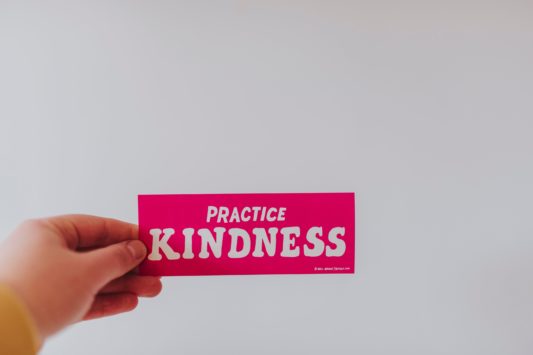
I associate kindness with spring. I’m not saying that people can’t be kind in any other season, but I just feel more kind during the spring. The cool breeze makes me want to hold the door a second longer, and the flowers make me smile. Maybe it’s the sun or the air of possibility that comes with spring but I feel like there are so many ways to embody kindness in the spring that makes people feel extra loved. If you haven’t noticed, when people receive out of the ordinary kindness they tend to replicate it. The dominoes are all set up in a line waiting for someone to knock them down. Here are my three favorite ways to kick start kindness in spring. Send them a card! When was the last time you received mail that wasn’t a bill, an Amazon order, or a holiday/birthday card? Chances are it wasn’t recently. Take a second and reflect on what it feels like to get a random card from someone just checking in on you wanting to know what fun things you have been up too? It means a lot more than a text. One of my favorite things to do is to pick up puny cards when I see them at Target so I always have a few on stock when I think of a friend I haven’t heard from recently. Give them some flowers, or a plant! (So maybe this one isn’t for everyone in your life) – I wouldn’t recommend getting flowers for people who struggle with spring allergies. This can be a fun seasonal way to show them you were thinking about them and to brighten their day. It’s also really good for their health. Did you know, you’re supposed to have 1 house plant for every 100 square feet in your home to help maximize the air quality? Bonus points if you can leave the greenery someplace they will find naturally versus just walking up to them and handing them a living object. There is something extra special about being surprised with a thoughtful gesture! Maybe you don’t feel like driving to a store to buy some plants. I have two answers for you, 1) Trader Joes 2) Look outside. Spring has sprung so just be on the lookout when you’re outside. I just caution against taking flowers or plants from private property. Invite them over for dinner or game night! One of my favorite ways to reach out to friends I haven’t seen in a while is to invite them over to hang out. I bring out the nice silverware and board games for a night of casual fun and lots of conversation! Sometimes we put a lot of pressure on relationships, and we forget to have fun. Spending time together without an agenda is a great way to get silly, laugh, and revive the fun in a friendship. When someone goes out of their way to appreciate you, it inspires you to do the same! This week’s challenge Write down the names of three people you want to go above and beyond for with kindness. Write out your act of kindness and execute on your plan! We know you want to learn more. Here are some of our favorite additional resources: Look At: The Random Acts of Kindness Read: How sharing kindness can make you healthier and happier Listen To An Episode Of: The Kindness Podcast Check Out: Why random acts of kindness matter to your wellbeing

Read More

A friend of mind recently shared this article with me which talks about the virtues of having fun and argues that fun is not indulgent but necessary in a full and happy life. It challenges, “Imagine you had control of another person’s life, and could dictate their activity every hour of the day. Would you condemn them to spend 80% of their waking hours at a desk?” Let’s make sure that workaholism wins no more! Great question. It’s a question I’ve never asked myself before: If I had complete control over another person’s life and choices like that Friends episode where Monica controls Rachel’s, would I choose for them to live the way I do? I love to have fun. But I also love what I do and “grew up” in the consulting world where putting in the most hours was a badge of honor. It’s always tempting for me to just respond to one more email or Slack chat today instead of tomorrow. Now I have to physically stop myself from overworking. Unless I force it to shift focus, my brain is always at work. Because I love Ama La Vida and because that is my nature. I try to stop myself from talking about how late I was at the office or how long that deck took me to finish because I don’t want to even seem like I’m glorifying workaholic behavior. If I write a bunch of emails on Sunday, I’ll keep them in drafts and send on Monday. To protect the receiver’s weekend but also to not send the signal that we should be working on the weekend. And I schedule uninterrupted time with my friends and family to do fun stuff. I try to keep my phone off the table. I’m present in the moment. I go on long vacations. I drink all the champagne. How do you police your own workaholism? This week’s challenge: Carve out time for fun to make sure that workaholism wins no more. Seems counterintuitive to schedule your fun, but it doesn’t need to be that clinical. It can simply mean booking in a dinner with friends or signing up for a workout class you love. Make one commitment to having to good old fashioned fun this week. We know you want to learn more. Here are some of our favorite additional resources: Read: Why You Need More Fun In Your Life, According To Science Try: A Dabble Class Near Your! Watch: How To Make Work Life Balance Work Read: Do You Need More Fun In Your Life

Read More
spring time with flowers

Did you let out a big sigh of relief last Wednesday? I know I can’t be the only one who is ready for a change in this ridiculous winter weather. Spring is officially here, and with this new season comes longer days, less hurried walks between the car and the office door, and a reminder that growth and change are underway. You know I couldn’t make it through a time of transition without a newsletter talking all about it, right? Here are my thoughts on what spring means to me, and suggestions on how to embrace all that this season has to offer no matter what stage of life you’re in. Release what is no longer serving you. Spring cleaning doesn’t just apply to your physical space – it applies to your personal life as well. Throw open the windows of your mind and let go of what you don’t need. Negative self-talk that holds you back from taking the next step in your love life? A half-finished resume that isn’t landing you any interviews? A cluttered workspace that distracts you from getting into the zone? Whatever doesn’t have a purpose or a place is worth considering whether it’s truly worth the space and effort. Plant seeds that will grow into flowers. When I think of spring, I imagine strong and steady development. As the season passes, the magic of what’s been brewing underground – complicated systems of roots, nutrients, soil, and water – begins to poke upwards toward the sun and reminds us that good things are worth waiting for. Consider this time as preparation for things your future self will thank you for. Want to be in a new role by summer? It’s time to tighten up your application materials. Dream of being healthy enough to chase your kids around the yard until they wear themselves out? Lace up your shoes and get moving. Practice patience as you form habits that will build upon themselves. Know that the work you are putting in today will pay off – and enjoy the process along the way. Connect and celebrate the ties that bond us. With winter officially on its way out, it’s easier to make and keep plans without weather getting in the way. Now is time to emerge from your cocoon and reconnect with the ones you love. Remember that function is more important than form, so if your house isn’t perfect or your meal isn’t Martha Stewart approved, it’s all good as long as you’re acting from a place of love. Some of my favorite ways to connect in the spring are potlucks with friends (what light and fresh recipes have you been eyeing?) and networking with folks in my industry (this includes mentorship, taking continuing education classes, and attending events to meet movers and shakers in my field). Shake off the dust and get out there. Cheers to winter for the coziness and slow moments it brought, and welcome spring in all its new and bright and sunny (!!) glory. –Coach Teague This week’s challenge For each of the three categories above – releasing the excess, focusing on personal growth, or strengthening connections – choose a meaningful and achievable goal that you can accomplish within the next week. Feel overwhelmed by the prospect of doing something outside your comfort zone? That’s okay – it’s where the magic happens. Starting now, you’re a person who gets things done even when they’re not easy. (Bonus points if you forward this email to a friend and work on your goals collaboratively. Teamwork makes the dream work!) We know you want to learn more. Here are some of our favorite additional resources: “Virtually every time I push my clients to go deeper with their gathering’s purpose, there is a moment when they seem to wonder if I am preparing them for World War III. Yet forcing yourself to think about your gathering as stand-taking helps you get clear on its unique purpose.” A 6 Step Guide to Spring Cleaning Your Social Media Feeds, because our closets aren’t the only cluttered spaces “My question is what, if anything, is wrong with being chilly? It seems like a good, efficient way to get along.” Spring Cleaning: Meditation to Tidy Up the Mind (initiate zen state now!) Declutter your life and make room for possibility (by ALV Coach Erin)

Read More

I sometimes think of my brain like a cul de sac. There are let’s say 10 houses around it, and each one is a component of my life which is currently demanding my attention. Refinancing my house has a spot. Taking the dog that won’t stop puking to the vet – that’s got one right now too. Planning that trip with my parents – haven’t done any maintenance to that one in a while, but I know it’s still there. Running ALV – that’s a big, gaudy mansion that you just can’t miss. There are only so many spots. I can only fit so many things in my brain before it feels like it’s going to explode. Something needs to clear out of a spot before I can let something else in. My husband doesn’t operate like this. He’s a dabbler. He likes to have a million little apartments sitting on his cul de sac. Each day 3 or 4 will grab his attention, but none are so demanding that they require all of his energy. Neither system is right nor wrong. It’s simply how different people function and prioritize. The problem with my cul de sac, however, is that there’s a toxic pollutant in town. Guilt. It’s a thick smoke that can permeate the walls no matter where I am. When I’m worried about spending too much time in one house over another, the guilt seeps in. Feeling bad about all of the things that don’t even currently have a spot on the street? Guilt again. I’d argue that when most people, women especially, become parents, the toxicity of the guilt becomes a crisis. Even for the dabblers. No matter where we are, we’re blinded by the smoke, feeling constantly that we’re doing something wrong. Or not doing enough. An important component of minimizing guilt’s impact is understanding your values and ensuring that the things you allow in your cul de sac, and the corresponding size of each, is a reflection of those values. But I think a bigger solution is just giving ourselves a gosh darn break. We are doing the best we can. We are running this thing with no manual. We are focusing on the things that are most important to us at that time. Why should we feel bad for that? Like mine, guilt may always have a presence in your neighborhood. But please, let’s stop letting ourselves be consumed by it. This week’s challenge Figure out the top 5 things you want in your cul de sac right now. Take a look at your list of values, and determine which 5 things are the most direct reflection of them. For everything else, practice saying no. And practice allowing yourself to say no without feeling guilty about it. We know you want to learn more. Here are some of our favorite additional resources: Read: 5 Tips for Dealing With Guilt Watch: 9 TED Talks to Liberate You Prioritize Your Time: Being Involved or Overcommitting and How To Tell The Difference Read: Daring Greatly, Brene Brown Did You Miss Our Latest Coaching Corner? In this video, Coach Danielle talks about how many employees don’t feel appreciated at work and a few ways to increase that number.

Read More